

black tips on opalka
16 years ago
Sort by:Oldest
Comments (7)
Related Stories
LIFETips for Moving Into a Smaller Space
Downsize with less compromise: Celebrate the positive, pare down thoughtfully and get the most from your new home
Full Story
COLORDreaming in Color: 8 Beautiful Black Bedrooms
Make your sleeping space elegant and calming sans cave-like vibe, with these tips for using black walls, flooring and furniture
Full Story
BLACKHow to Decorate With Brown, Black — or Both
Black is best for engineered materials; brown works great for textures — and more designer tips for working with these two classic colors
Full Story
BLACKPaint Picks: Be Brave with Black
Helpful Tips and Inspiration to Give Your Home a Fashion Forward Look
Full Story
DECORATING GUIDES7 Tips to Sell Your Home Faster to a Younger Buyer
Draw today's home buyers by appealing to their tastes, with these guidelines from an expert decorator
Full Story
MEDIA ROOMS5 Tips to Turn Your Basement into a Media Room
From wiring to gadgets to decor, a designer tips us off to the secrets for media room success
Full Story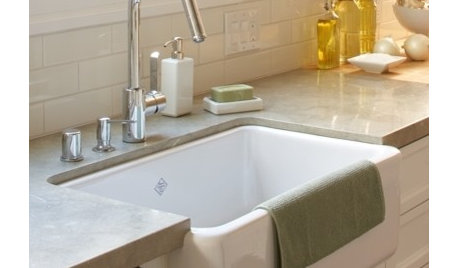
CONTRACTOR TIPSContractor Tips: Countertop Installation from Start to Finish
From counter templates to ongoing care, a professional contractor shares what you need to know
Full Story
DECORATING GUIDES13 Decorating Tips for Older Homes
Preserve the personality of the past while designing for now with these tips for paint, rugs, window treatments and more
Full Story
Sponsored


kdawg
Bets
Related Professionals
Washington Landscape Architects & Landscape Designers · Sebring Landscape Architects & Landscape Designers · Norfolk Landscape Architects & Landscape Designers · Reno Landscape Architects & Landscape Designers · Salt Lake City Landscape Architects & Landscape Designers · Fredericksburg Landscape Contractors · Glenwood Springs Landscape Contractors · Forrest City General Contractors · Greenfield General Contractors · Beatrice General Contractors · Hackettstown General Contractors · Cleveland General Contractors · San Jose General Contractors · Logan General Contractors · Honolulu General Contractorscaryltoo Z7/SE PA
carolyn137
caryltoo Z7/SE PA
Bets
carolyn137