

Little Fruit Setting
17 years ago
Sort by:Oldest
Comments (3)
Related Stories
MOST POPULARHow to Get Rid of Those Pesky Summer Fruit Flies
Learn what fruit flies are, how to prevent them and how to get rid of them in your home
Full Story
FALL GARDENING5 Fall Fruits You Can Grow in Containers
Brighten your porch or patio with a potted pomegranate, kumquat, blueberry bush or another great fall fruit
Full Story
ENTERTAININGEye-Catching Centerpieces Beyond Flowers and Fruit
Use your imagination to create a tableau that reflects your surroundings, creates dramatic tension or elicits surprise
Full Story
GARDENING GUIDESGreat Design Plant: Grow Blueberries for Their Fruit and More
Eastern gardeners should consider growing blueberry plants for their delicious fruits, bee-friendly spring blooms and brilliant fall foliage
Full Story
KITCHEN DESIGNKitchen of the Week: Tiny, Fruitful New York Kitchen
Desserts and preserves emerge from just a sliver of counterspace and a stove in this New York food blogger's creatively used kitchen
Full Story
EDIBLE GARDENSHow to Grow 10 Favorite Fruit Trees at Home
Plant a mini orchard in fall, winter or early spring to enjoy fresh-off-the-tree fruit the following year
Full Story
FARM YOUR YARDIf You Have Room for Only One Fruit Tree ...
Juice up a small garden with one of these easier-care or worth-the-effort fruit trees for a mild climate
Full Story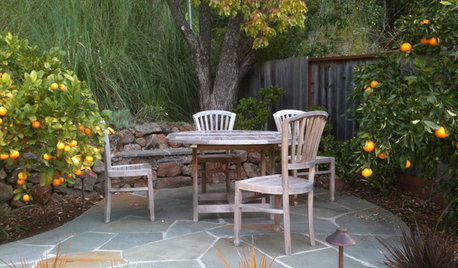
GARDENING AND LANDSCAPINGCrazy for Fruit Trees
Whether a single citrus or a mini apple orchard, even the smallest landscape space can bear deliriously delicious fruit
Full Story
PRODUCT PICKSGuest Picks: Juice Up Your Rooms With Fruit-Inspired Designs
Zesty colors and fruit renderings on artwork and accessories give your home a burst of flavor
Full Story
DECORATING GUIDESPut Your Best Fruit Forward in Splendid Fall Arrangements
Luscious, colorful and unbeatably fresh, fruit-centered arrangements bring welcome flavor to fall home decor
Full Story
Sponsored


jerseygardengirl
star_stuff
Related Professionals
Owensboro Landscape Architects & Landscape Designers · Raleigh Landscape Architects & Landscape Designers · McAllen Landscape Architects & Landscape Designers · Williamsburg Landscape Architects & Landscape Designers · Fargo Landscape Architects & Landscape Designers · Poughkeepsie Landscape Architects & Landscape Designers · Chula Vista Landscape Architects & Landscape Designers · Hagerstown Landscape Contractors · Rolla Landscape Contractors · Murfreesboro Landscape Contractors · Newburyport Landscape Contractors · Oxnard Landscape Contractors · Helena Landscape Contractors · Charleston General Contractors · Fort Worth General Contractorsavid_hiker