

understanding fungicides
14 years ago
Sort by:Oldest
Comments (3)
Related Stories
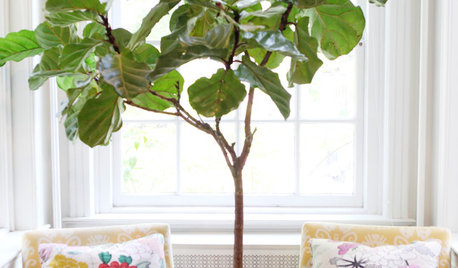
HOUSEPLANTSPlay Up Some Fiddleleaf Figs for a Lively Indoor Tune
Strike a dramatic chord in a minimalist scene or a country note in a rustic setting — fiddleleaf fig plants harmonize with any style
Full Story
GARDENING FOR BUTTERFLIESGardening for the Bees, and Why It’s a Good Thing
When you discover how hard bees work for our food supply, you may never garden without them in mind again
Full Story
GARDENING AND LANDSCAPINGBid Bad Garden Bugs Goodbye and Usher In the Good
Give ants their marching orders and send mosquitoes moseying, while creating a garden that draws pollinators and helpful eaters
Full Story
GARDENING GUIDESHow to Fix Bare and Yellow Lawn Spots
Restore your turf’s good looks by reseeding unsightly patches
Full Story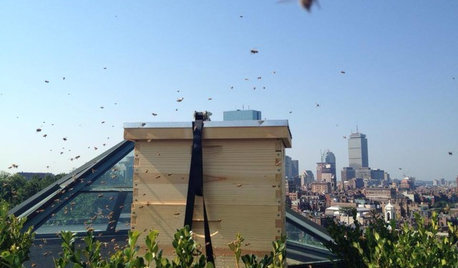
FARM YOUR YARDHello, Honey: Beekeeping Anywhere for Fun, Food and Good Deeds
We need pollinators, and they increasingly need us too. Here, why and how to be a bee friend
Full Story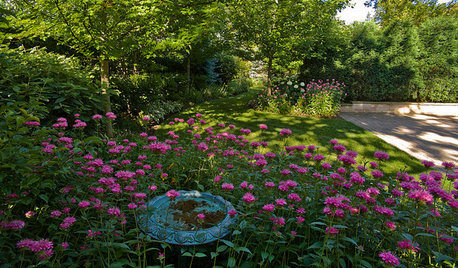
LANDSCAPE DESIGNExuberant Self-Seeders for Gorgeous, Easy-Care Gardens
Keep weeds down, color high and maintenance low with beautful plants that sow themselves
Full Story
HOUSEPLANTSHow to Grow Orchids Indoors
Orchids are the exotic aristocrats of the flower world and can make themselves comfortable in almost any home
Full Story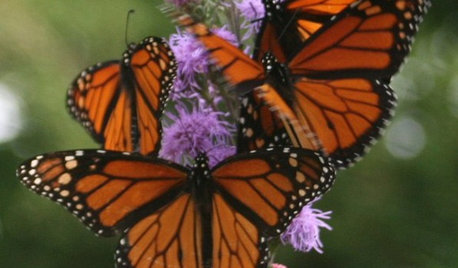
GARDENING FOR BUTTERFLIESButterfly Gardening: Delight the Eyes With Living Sculptures
Surprise and thrill with a garden that attracts magical winged creatures, bringing color, movement and life
Full Story


carolyn137
digdirt2
Related Professionals
Morgan City Landscape Architects & Landscape Designers · Jackson Landscape Architects & Landscape Designers · Petersburg Landscape Architects & Landscape Designers · Middletown Landscape Architects & Landscape Designers · Erie Landscape Architects & Landscape Designers · Bozeman Landscape Architects & Landscape Designers · Mountain Home Landscape Contractors · Somerset Landscape Contractors · Tucson Landscape Contractors · Santa Rosa Landscape Contractors · Jonesboro General Contractors · Middlesboro General Contractors · Wilmington General Contractors · Danville General Contractors · Janesville General ContractorsrobebOriginal Author