

sandstone, or . . . ???
18 years ago
Sort by:Oldest
Comments (8)
Related Stories
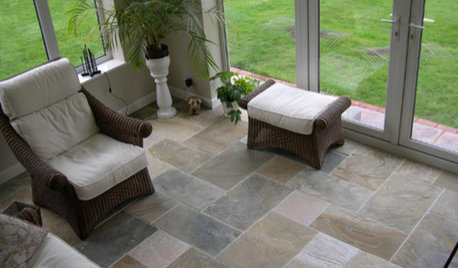
REMODELING GUIDESYour Floor: How to Find Right Stone Tile
Get the Pros and Cons of Slate, Travertine, Sandstone, Marble and Granite
Full Story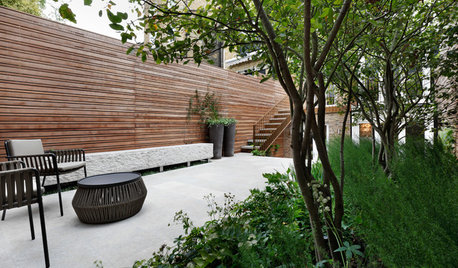
URBAN GARDENSIn London, a Crowded Patch of Grass Becomes a Patio for Entertaining
A chic combo of wood siding, clever plantings and lots of elegant sandstone transforms a plain garden into a stylish space
Full Story
HOUZZ TOURSMy Houzz: A Modern Sydney Home That Grows on You
A profusion of plants (including in the tub) distinguishes an otherwise minimalist home for a horticulturalist's family
Full Story
MATERIALSHow to Use Local Stone in Your Landscape Design
Locally sourced stone is a gorgeous and durable landscape building material
Full Story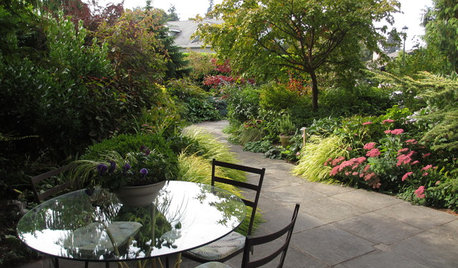
PATIOSLandscape Paving 101: How to Use Bluestone in Your Garden
Classy bluestone is a great paving material for both modern and rustic patios and paths
Full Story
CONTEMPORARY HOMESHouzz Tour: At Home With a Stunning View
Wood siding and contemporary features combine to create a family’s dream home in Sydney
Full Story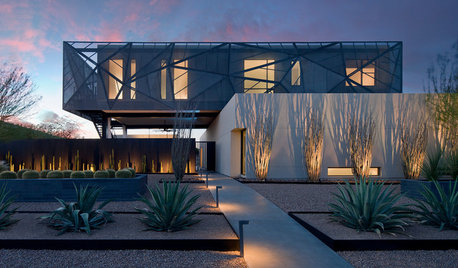
HOUZZ TOURSHouzz Tour: Going for Broke in Las Vegas
With bold architectural moves and killer views, this 8,000-square-foot resort-style home doesn’t hold back
Full Story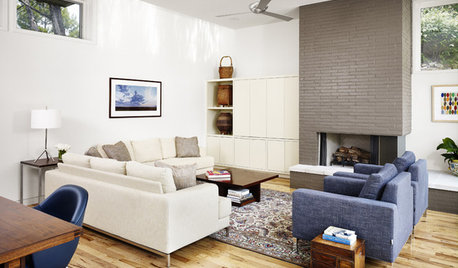
DECORATING GUIDESWhat You Need to Know Before Painting Brick
Sure, painted brick can be a great look. But you need to take some risks into account. Here's how to paint brick like a pro
Full Story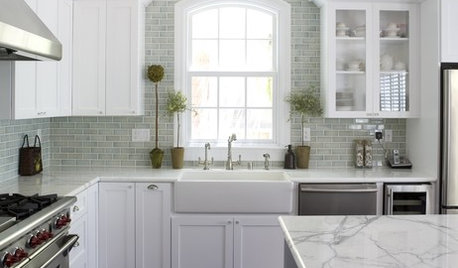
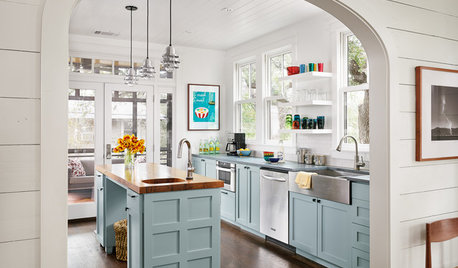
ECLECTIC HOMESHouzz Tour: Playing With Good Tension in Austin
A 1938 bungalow gets updates — including a whole new floor — but keeps much of its traditional charm
Full Story
srburk
pjtexgirl
Related Professionals
Fredericksburg Landscape Architects & Landscape Designers · Gloucester Landscape Architects & Landscape Designers · Monroe Landscape Architects & Landscape Designers · Sacramento Landscape Architects & Landscape Designers · Provo Landscape Architects & Landscape Designers · Rocky Mount Landscape Contractors · Fort Worth Landscape Contractors · Poughkeepsie Landscape Contractors · Mansfield Landscape Contractors · Daytona Beach Stone, Pavers & Concrete · Miami Stone, Pavers & Concrete · Somerset Stone, Pavers & Concrete · Lafayette Stone, Pavers & Concrete · Stamford Stone, Pavers & Concrete · Missoula Stone, Pavers & ConcreteRedthistle
austinwildflower
Redthistle
treeloverOriginal Author
PKponder TX Z7B
treeloverOriginal Author