

Saving seed from infected plants
16 years ago
Sort by:Oldest
Comments (4)
Related Stories
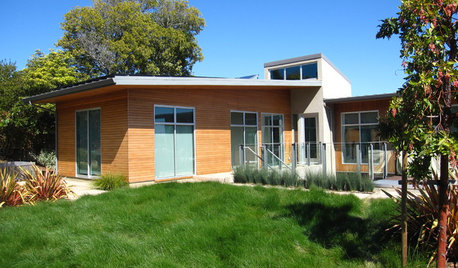
GARDENING GUIDESHow to Plant a New Lawn From Seed
Choose from more grass varieties and save money over sod by starting your lawn from seed
Full Story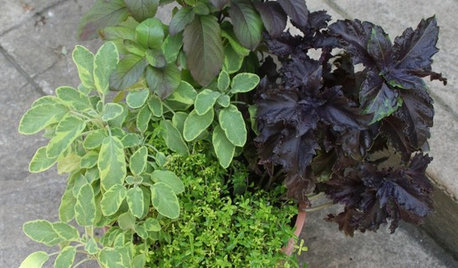
CONTAINER GARDENS8 Easy Container Plants to Grow From Seed
Get beautiful blooms and herbs in summer by starting these choice garden picks from seed in spring
Full Story
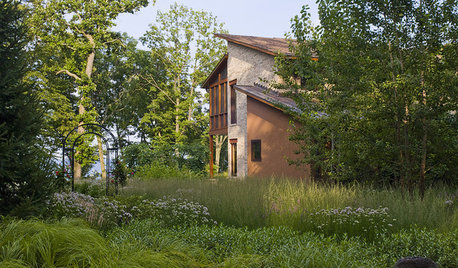
GARDENING GUIDES8 Unthirsty Plants Help You Save Water in Style
Spend less effort and money on your landscape with drought-tolerant and native plants that liven up your yard
Full Story
PETSGarden Alert: 22 Plants to Keep Away From Pets
Avoid potential danger by keeping dogs and cats away from these landscaping and houseplant favorites
Full Story
GARDENING GUIDESHow to Plant a New Lawn From Sod
Take the quick-start route to turf with sod; these installation guidelines will help ensure a healthy and long-lasting lawn
Full Story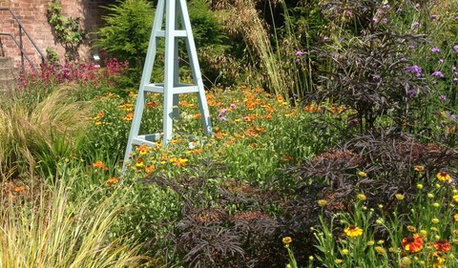
PLANTING IDEASModern Planting Ideas From a Historic English Garden
Low-maintenance, climate-fitting plants are just the beginning of the good things in this bishop’s updated garden
Full Story
LANDSCAPE DESIGNGet Along With Less Lawn — Ideas to Save Water and Effort
Ditch the mower and lower your water bill while creating a feast for the eyes with diverse plantings and gathering places
Full Story
GARDENING GUIDESGreat Design Plant: Blue Sage
True blue and adored by hummingbirds, blue sage is easy to grow from seed in a sunny fall garden
Full Story
INSPIRING GARDENSFrom Concrete Lot to Gracious Organic Garden in Seattle
Plants, pests and even weeds have a place in this landscape, which offers an edible bounty and a feast for the eyes
Full Story
Sponsored


digdirt2
Bets
Related Professionals
Oxford Landscape Architects & Landscape Designers · Winston-Salem Landscape Architects & Landscape Designers · Charleston Landscape Architects & Landscape Designers · Brainerd Landscape Architects & Landscape Designers · Hartford Landscape Contractors · Kearney Landscape Contractors · Nashua Landscape Contractors · Medford Landscape Contractors · Miami General Contractors · Atlanta General Contractors · Bartlesville General Contractors · Memphis General Contractors · Charleston General Contractors · Sierra Vista General Contractors · Concord General Contractorsjean001
spaghetinaOriginal Author