

Disappearing Bees
18 years ago
Sort by:Oldest
Comments (6)
Related Stories

GARDENING FOR BUTTERFLIESGardening for the Bees, and Why It’s a Good Thing
When you discover how hard bees work for our food supply, you may never garden without them in mind again
Full Story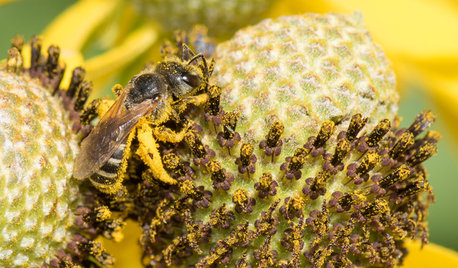
GARDENING GUIDESWelcome Sweat Bees to Your Garden Throughout the Growing Season
Look before you swat! These friendly sweat bees will feed on your sweat on a hot summer day, but their main buffet is flowers
Full Story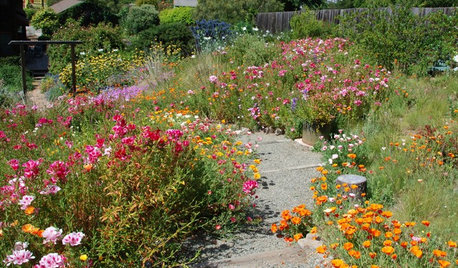
EARTH DAYHow to Design a Garden for Native Bees
Create a garden that not only looks beautiful but also nurtures native bees — and helps other wildlife in the process
Full Story
GARDENING GUIDESGreat Design Plant: Dicentra Eximia Brightens Shady Gardens
This North American bleeding heart species blooms from spring to fall and welcomes bees and hummingbirds
Full Story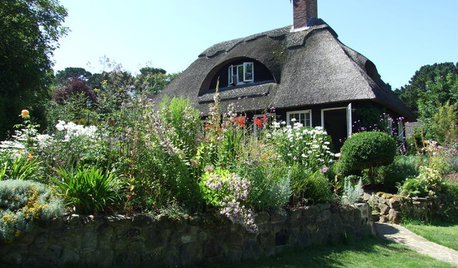
LANDSCAPE DESIGNHow to Create a Cottage-Style Garden
If you like an abundance of plants — and visits from birds, bees and butterflies — this may be the style of yard for you
Full Story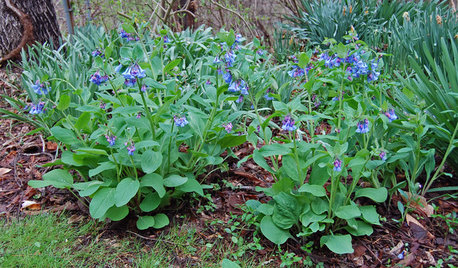
GARDENING GUIDESGreat Design Plant: Mertensia Virginica
Virginia bluebells provides relief from winter with a big display of color
Full Story
GARDENING GUIDES6 Plants That Beat Butterfly Bush for the Wildlife Draw
It's invasive, a nonnative and a poor insect magnet. Check out these better alternatives to butterfly bush in the garden
Full Story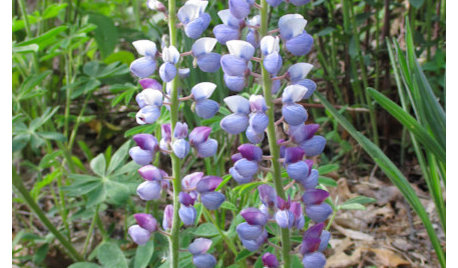
GARDENING GUIDESGreat Design Plant: Wild Lupine Dresses Up Rocky Gardens
Spiky blue flowers and a high tolerance for poor soil make this plant ideal for tough sites
Full Story
GARDENING GUIDES20 Favorite Flowers for Butterflies and Bouquets
Discover perennials and annuals that do double duty as butterfly magnets and versatile cut flowers
Full Story
CALIFORNIA GARDENINGCalifornia Gardener's April Checklist
Outsmart droughts with water-savvy plants and sustainable approaches that suit the landscape
Full Story
More Discussions
jlosc
ericwi
Related Professionals
Covington Landscape Architects & Landscape Designers · Keene Landscape Architects & Landscape Designers · Flagstaff Landscape Architects & Landscape Designers · Valdosta Landscape Contractors · Winston-Salem Landscape Contractors · Columbia Landscape Contractors · Grand Rapids Landscape Contractors · Binghamton Landscape Contractors · Sacramento Landscape Contractors · Provo Landscape Contractors · Pensacola Tile and Stone Contractors · Rome Tile and Stone Contractors · Newport News Tile and Stone Contractors · Saginaw Tile and Stone Contractors · Hilo Tile and Stone Contractorsjmcat
dutch62
terrene
christie_sw_mo