

How thick are the floors?
15 years ago
Sort by:Oldest
Comments (5)
Related Stories

UPHOLSTERYFabric Focus: Thick, Textured Matelassé
Classic and understated, matelassé gives a quilted look without the bulk for bedding, upholstery and more
Full Story
REMODELING GUIDESYour Floor: An Introduction to Solid-Plank Wood Floors
Get the Pros and Cons of Oak, Ash, Pine, Maple and Solid Bamboo
Full Story
SHOP HOUZZShop Houzz: Up to 65% Off Indoor/Outdoor Rugs
Rugs that will have you covered through thick and thin
Full Story0

GARDENING GUIDES6 Native Ground Covers for Tough, Dry Spots
Sun beating down on your sandy gravel? Thick shade darkening your clay soil? There’s a ground cover here for you
Full Story
GREAT HOME PROJECTSWhat to Know Before Refinishing Your Floors
Learn costs and other important details about renewing a hardwood floor — and the one mistake you should avoid
Full Story
ARCHITECTURE10 Marvelous Ways With Mezzanines
Whether you have just a sliver of space or a whole floor’s worth, you can create an extra living area by looking up
Full Story
TILEWhy Bathroom Floors Need to Move
Want to prevent popped-up tiles and unsightly cracks? Get a grip on the principles of expansion and contraction
Full Story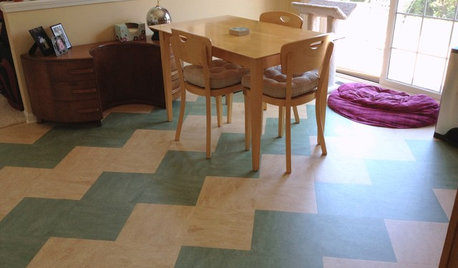
REMODELING GUIDESLinoleum, the All-Purpose Flooring Wonder
Dashing in a rainbow of colors, able to be cleaned with ease and courteous to budgets everywhere, linoleum is a super choice for floors
Full Story
HOUSEKEEPINGHow to Clean Hardwood Floors
Gleaming wood floors are a thing of beauty. Find out how to keep them that way
Full Story
FLOORSHow to Paint Your Hardwood Floors
Know how to apply nail polish? Then you can give your wooden floors a brand-new look
Full Story
don92
hunziOriginal Author
Related Professionals
Columbia Kitchen & Bathroom Designers · Altoona Kitchen & Bathroom Designers · Anchorage Kitchen & Bathroom Designers · Queens Kitchen & Bathroom Designers · Charleston Bathroom Remodelers · Harrisonburg Bathroom Remodelers · Saint George Bathroom Remodelers · Lagrange Bathroom Remodelers · Florence Tile and Stone Contractors · Covington Tile and Stone Contractors · Lafayette Tile and Stone Contractors · Grand Forks Tile and Stone Contractors · Laconia Tile and Stone Contractors · Montrose Tile and Stone Contractors · Vancouver Tile and Stone Contractorsdon92
hunziOriginal Author
don92