

Please suggest best option: internal/inline/remote blower.
18 years ago
Sort by:Oldest
Comments (5)
Related Stories

HOME OFFICESQuiet, Please! How to Cut Noise Pollution at Home
Leaf blowers, trucks or noisy neighbors driving you berserk? These sound-reduction strategies can help you hush things up
Full Story
TRAVEL BY DESIGNHomes Away From Home: 6 Appealing International Bed-and-Breakfasts
Live like a local in a foreign land. These design-friendly B and Bs offer comfort and style for a wide range of budgets
Full Story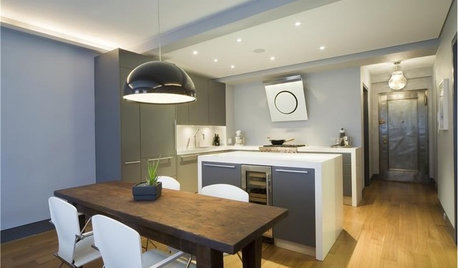
KITCHEN DESIGNHow to Choose the Right Hood Fan for Your Kitchen
Keep your kitchen clean and your home's air fresh by understanding all the options for ventilating via a hood fan
Full Story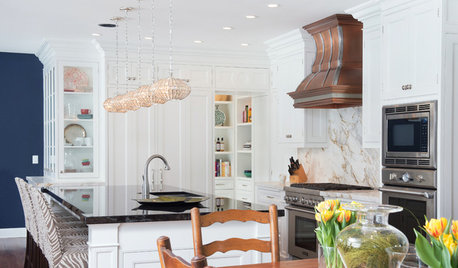
KITCHEN DESIGNWhat to Know When Choosing a Range Hood
Find out the types of kitchen range hoods available and the options for customized units
Full Story
KITCHEN DESIGNAutomation Meets Innovation in the Newest Kitchen and Bath Products
Home features from closets to toilets are going touchless, remote controlled and more accessible than ever. See for yourself
Full Story
LIVING ROOMSHow to Convert Your Wood-Burning Fireplace
Learn about inserts and other options for switching your fireplace from wood to gas or electric
Full Story
FLOORSWhat to Ask When Considering Heated Floors
These questions can help you decide if radiant floor heating is right for you — and what your options are
Full Story
WINDOW TREATMENTSHow to Choose the Right Window Blinds
Get the privacy, light filtering and look you want with this breakdown of blind options
Full Story
ARCHITECTUREDiscover the Intriguing Possibilities for 3D Printing for Architecture
Would you live in a home made of printed plastic? With 3D printing, the options push architecture's limits
Full Story
KITCHEN APPLIANCESLove to Cook? You Need a Fan. Find the Right Kind for You
Don't send budget dollars up in smoke when you need new kitchen ventilation. Here are 9 top types to consider
Full Story
cpovey
Naomi Talia
Related Professionals
Paducah Kitchen & Bathroom Designers · Quincy Kitchen & Bathroom Designers · Starkville Kitchen & Bathroom Designers · Victoria Kitchen & Bathroom Designers · Cowansville Kitchen & Bathroom Designers · Ocala Bathroom Remodelers · New Orleans Bathroom Remodelers · Boston Bathroom Remodelers · Oxnard Bathroom Remodelers · Santa Fe Bathroom Remodelers · Albany Kitchen Remodelers · Somerset Kitchen Remodelers · Winston-Salem Kitchen Remodelers · Hilton Head Island Kitchen Remodelers · Traverse City Kitchen Remodelerskaseki
opaone
opaone