

10 Details?
17 years ago
Sort by:Oldest
Comment (1)
Related Stories
WORKING WITH PROSGet the Upholstery Work You Expect: 10 Details to Discuss
Avoid disappointment and unexpected costs by going over these key areas with your upholsterer before work begins
Full Story
DECORATING GUIDESEasy Reference: Standard Heights for 10 Household Details
How high are typical counters, tables, shelves, lights and more? Find out at a glance here
Full Story
ARCHITECTURE10 Top-Notch Architectural Details, 1 Lake House
From shed dormers to string lighting, this summer home in Vermont incorporates a bevy of classically beautiful features all in one place
Full Story
DECORATING GUIDES10 Elegant Home Details
Give your rooms a rich look without all the fuss by adding a posh touch here and there
Full Story
REMODELING GUIDESFinish Your Remodel Right: 10 Tasks to Check Off
Nail down these key details to ensure that everything works properly and you’re all set for the future
Full Story
KITCHEN DESIGN10 Upgrades for a Touch of Kitchen Elegance
Give your kitchen a more refined look by changing just a detail or two
Full Story
EXTERIORSReaders' Choice: The 10 Most Popular Exteriors of 2012
Outsides were in on Houzz this past year, as readers remarked on all kinds of home exterior details that stood out
Full Story
REMODELING GUIDES10 Features That May Be Missing From Your Plan
Pay attention to the details on these items to get exactly what you want while staying within budget
Full Story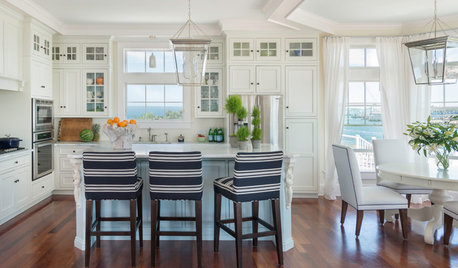
KITCHEN DESIGN10 Ideas for a Breezy Coastal Kitchen
Go for nautical details and sea-inspired colors to create a beautifully beachy space
Full Story
GLAM STYLETop 10 Reasons to Give Your Home Some Sparkle
Shiny details can add luxury and romance or turn a blah room into one that makes you feel like royalty
Full Story
meldy_nva
Related Professionals
Athens Architects & Building Designers · Victoria Architects & Building Designers · Grand Rapids Architects & Building Designers · Fairbanks Architects & Building Designers · Sebring Design-Build Firms · Vicksburg Design-Build Firms · Middletown Design-Build Firms · Laconia Design-Build Firms · Akron Design-Build Firms · San Marcos Home Builders · Aurora Home Builders · Omaha Home Builders · Huron Home Builders · Murrieta Home Builders · Guymon Home Builders