

'perfect' hood compromise
15 years ago
Sort by:Oldest
Comments (4)

Related Stories

HOUZZ TOURSHouzz Tour: Modern 'Pods' Offer a Log Cabin Compromise
Two generations enjoy togetherness and privacy too, in this cleverly designed lakefront vacation home in Idaho
Full Story
KITCHEN LAYOUTSHow to Plan the Perfect U-Shaped Kitchen
Get the most out of this flexible layout, which works for many room shapes and sizes
Full Story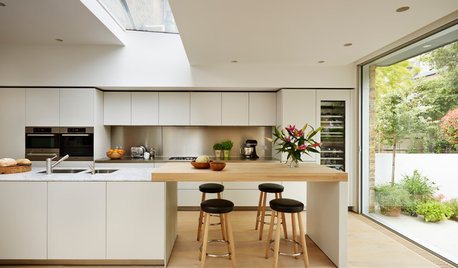
MATERIALSKitchen Ideas: How to Choose the Perfect Backsplash
Backsplashes not only protect your walls, they also add color, pattern and texture. Find out which material is right for you
Full Story
ARCHITECTUREGet a Perfectly Built Home the First Time Around
Yes, you can have a new build you’ll love right off the bat. Consider learning about yourself a bonus
Full Story
GARDENING GUIDESDesigning With Conifers: Find the Perfect Fit for Your Landscape
Conifers range from fairy-garden size to 70 feet tall. Here’s how to decifer the plant tag for the perfect long-term fit in your garden
Full Story
KITCHEN DESIGNCountertop and Backsplash: Making the Perfect Match
Zero in on a kitchen combo you'll love with these strategies and great countertop-backsplash mixes for inspiration
Full Story
LIVING ROOMSKey Measurements for Your Living Room
Learn the basic dimensions that will allow good circulation, flow and balance as you fit in all the furnishings you want
Full Story
BEDROOMS13 Simple Steps to a Perfectly Made Bed
Drift off to dreamland in a delightfully soothing, artfully dressed bed worthy of a posh hotel
Full Story
STANDARD MEASUREMENTSThe Right Dimensions for Your Porch
Depth, width, proportion and detailing all contribute to the comfort and functionality of this transitional space
Full Story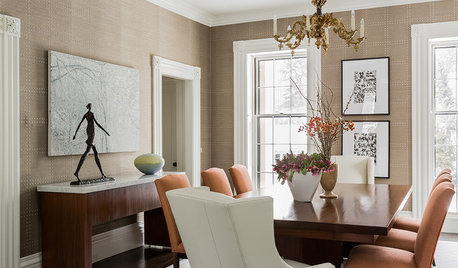
STANDARD MEASUREMENTSKey Measurements for Planning the Perfect Dining Room
Consider style, function and furniture to create a dining space that will let you entertain with ease
Full Story
wallycat
colin3
Related Professionals
Mountain Home Kitchen & Bathroom Designers · Lufkin Kitchen & Bathroom Designers · Fayetteville Bathroom Remodelers · Lebanon Bathroom Remodelers · Mansfield Bathroom Remodelers · Merced Bathroom Remodelers · Riverside Bathroom Remodelers · Sarnia Bathroom Remodelers · Albany Kitchen Remodelers · New Orleans Kitchen Remodelers · Harrisonburg Kitchen Remodelers · Modesto Kitchen Remodelers · Santa Barbara Kitchen Remodelers · Everett Kitchen Remodelers · Honolulu Kitchen Remodelersdavidro1
kaseki