

Induction stovetop / canning - Why not?
16 years ago
Sort by:Oldest
Comments (2)
Related Stories
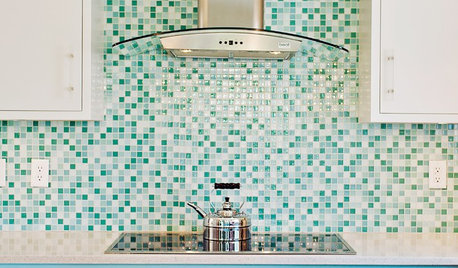
KITCHEN DESIGN9 Popular Stovetop Options — Plus Tips for Choosing the Right One
Pick a stovetop that fits your lifestyle and your kitchen style with this mini guide that covers all the basics
Full Story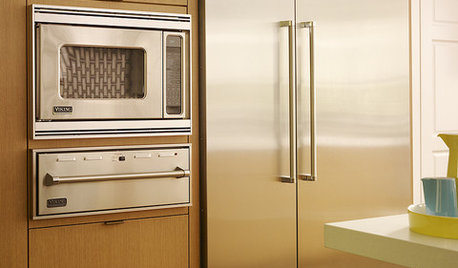
KITCHEN DESIGNA Cook’s 6 Tips for Buying Kitchen Appliances
An avid home chef answers tricky questions about choosing the right oven, stovetop, vent hood and more
Full Story
LIFESlow Living 101: Tips for Turning Off the Chaos
It may feel as though you're too busy to slow down and enjoy life. But even little changes can have a big effect
Full Story
SHOP HOUZZHouzz Products: Save a Taste of Summer
Can't bear to part with the flavors of summer peaches, berries and tomatoes? Then jam on it!
Full Story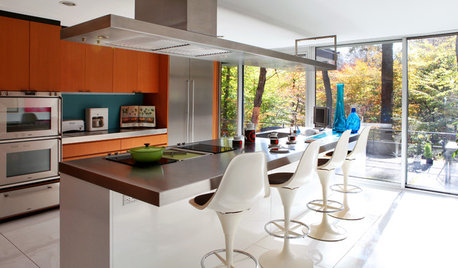
KITCHEN APPLIANCESLove to Cook? You Need a Fan. Find the Right Kind for You
Don't send budget dollars up in smoke when you need new kitchen ventilation. Here are 9 top types to consider
Full Story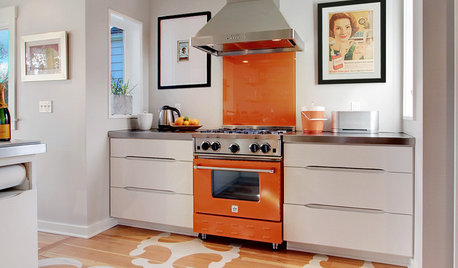
HOUSEKEEPINGHow to Clean Your Range and Oven
Experts serve up advice on caring for these kitchen appliances, which work extra hard during the holidays
Full Story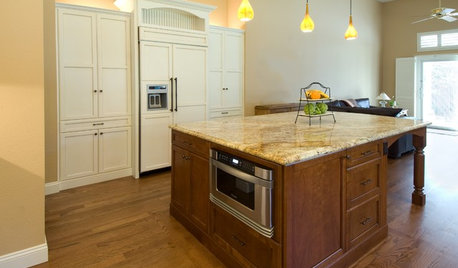
KITCHEN DESIGNDiscover the Pull of Microwave Drawers
More accessible, less noticeable and highly space efficient, microwave drawers are a welcome newcomer in kitchen appliances
Full Story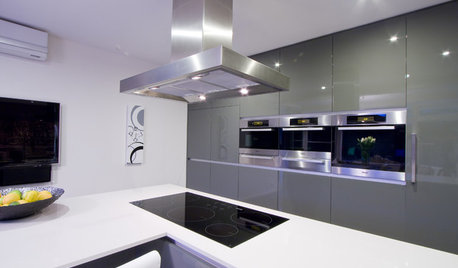
KITCHEN APPLIANCESFind the Right Cooktop for Your Kitchen
For a kitchen setup with sizzle, deciding between gas and electric is only the first hurdle. This guide can help
Full Story
TASTEMAKERSPro Chefs Dish on Kitchens: Michael Symon Shares His Tastes
What does an Iron Chef go for in kitchen layout, appliances and lighting? Find out here
Full Story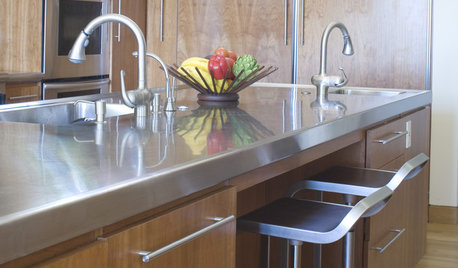
KITCHEN DESIGNDesign an Easy-Clean Kitchen
"You cook and I'll clean" might no longer be a fair trade with these ideas for low-maintenance kitchen countertops, cabinets and floors
Full Story
Sponsored
More Discussions
User
macybaby
Related Professionals
Gainesville Kitchen & Bathroom Designers · Elk City Kitchen & Bathroom Designers · New Bedford Kitchen & Bathroom Designers · Rochester Kitchen & Bathroom Designers · Yakima Kitchen & Bathroom Designers · Tampa Bathroom Remodelers · Springfield Bathroom Remodelers · Peoria Bathroom Remodelers · Eau Claire Bathroom Remodelers · Bowling Green Kitchen Remodelers · Westminster Kitchen Remodelers · Murfreesboro Kitchen Remodelers · Chillicothe Kitchen Remodelers · Duluth Kitchen Remodelers · Toledo Kitchen Remodelers