

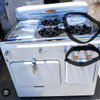
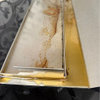
Ventahood ? - Does it have a damper
19 years ago
Sort by:Oldest
Comments (7)
Related Stories
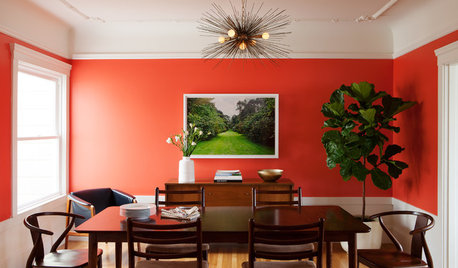
ROOM OF THE DAYRoom of the Day: Bright Red Dining Room Glows in Fog City
Mist can put a damper on the mood in San Francisco, but this lively room fires up the energy
Full Story
LIVING ROOMS8 Reasons to Nix Your Fireplace (Yes, for Real)
Dare you consider trading that 'coveted' design feature for something you'll actually use? This logic can help
Full Story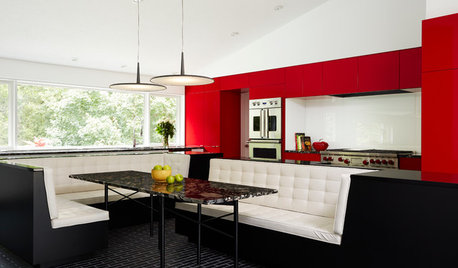
COLORFUL KITCHENSKitchen of the Week: Bold Color-Blocking and a Central Banquette
Glossy red cabinets contrast with black surfaces and white seating in this cooking-dining space designed for entertaining
Full Story
KITCHEN DESIGNHow to Choose the Right Hood Fan for Your Kitchen
Keep your kitchen clean and your home's air fresh by understanding all the options for ventilating via a hood fan
Full Story
FIREPLACESRumford Fireplaces Are Hotter Than Ever
Higher efficiency and good looks are leading homeowners back to this 18th-century fireplace design
Full Story
KITCHEN DESIGNA Cook’s 6 Tips for Buying Kitchen Appliances
An avid home chef answers tricky questions about choosing the right oven, stovetop, vent hood and more
Full Story
HOUSEKEEPINGLower Your Heating Bills With Some Simple Weather Stripping
Plug the holes in your house this winter to make sure cold air stays where it belongs: outside
Full Story
KITCHEN DESIGNHow to Lose Some of Your Upper Kitchen Cabinets
Lovely views, display-worthy objects and dramatic backsplashes are just some of the reasons to consider getting out the sledgehammer
Full Story
FEEL-GOOD HOME8 Tips for Harmony in the Kitchen
Frustrated by the arguments that arise over kitchen duties? Check out these coping strategies
Full Story
HOUSEKEEPINGVinegar and Voilà: Clean Your House the Natural Way
Ditch the commercial cleaners for nontoxic, inexpensive and versatile white vinegar
Full Story
rfinley69
john_com
Related Professionals
McAlester Kitchen & Bathroom Designers · Mason City Kitchen & Bathroom Designers · Gary Kitchen & Bathroom Designers · Niles Kitchen & Bathroom Designers · San Francisco Kitchen & Bathroom Designers · Jackson Kitchen & Bathroom Designers · Petersburg Bathroom Remodelers · Santa Maria Bathroom Remodelers · Brunswick Kitchen Remodelers · Roanoke Kitchen Remodelers · Peoria Kitchen Remodelers · Amherst Kitchen Remodelers · Green Bay Kitchen Remodelers · Farmington Kitchen Remodelers · Seattle Kitchen Remodelersantiquesilver
velodoug
housekeepingOriginal Author
thull
weedmeister