

Range hood ducting question
16 years ago
Sort by:Oldest
Comments (3)
Related Stories
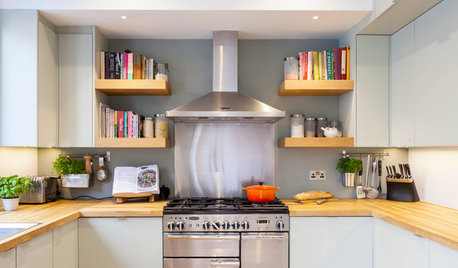
KITCHEN APPLIANCESWhat to Consider When Adding a Range Hood
Get to know the types, styles and why you may want to skip a hood altogether
Full Story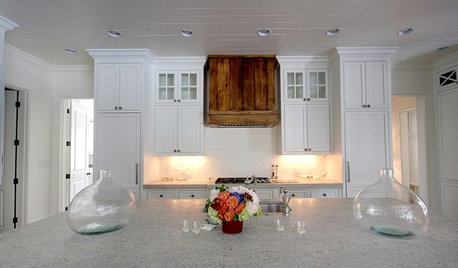
KITCHEN DESIGNWood Range Hoods Naturally Fit Kitchen Style
Bring warmth and beauty into the heart of your home with a range hood crafted from nature's bounty
Full Story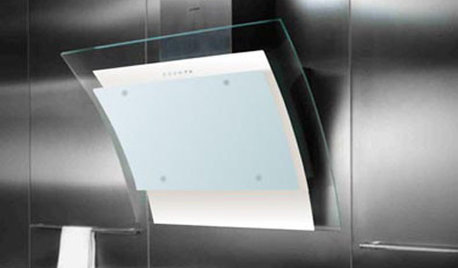
5 Stunning Modern Range Hoods
Today's kitchen range hoods can look like sleek sculptures. Here's what to look for when you go shopping for one
Full Story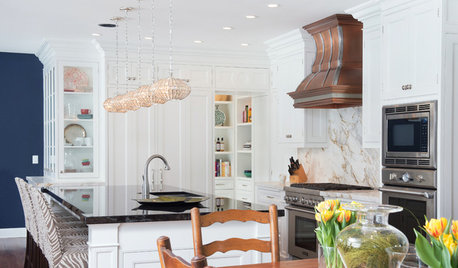
KITCHEN DESIGNWhat to Know When Choosing a Range Hood
Find out the types of kitchen range hoods available and the options for customized units
Full Story
REMODELING GUIDESSurvive Your Home Remodel: 11 Must-Ask Questions
Plan ahead to keep minor hassles from turning into major headaches during an extensive renovation
Full Story
REMODELING GUIDESPlanning a Kitchen Remodel? Start With These 5 Questions
Before you consider aesthetics, make sure your new kitchen will work for your cooking and entertaining style
Full Story
KITCHEN DESIGNModern Storage and Sunshine Scare Away the Monster in a Kansas Kitchen
New windows and all-white cabinetry lighten a kitchen that was once dominated by an oversize range hood and inefficient cabinets
Full Story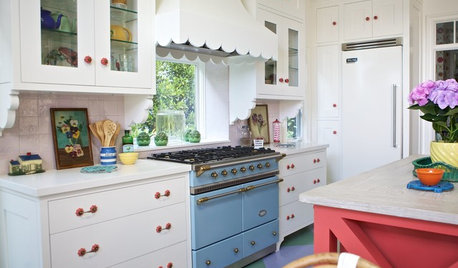
KITCHEN APPLIANCESThe Many Ways to Get Creative With Kitchen Hoods
Distinctive hood designs — in reclaimed barn wood, zinc, copper and more — are transforming the look of kitchens
Full Story
KITCHEN DESIGNHow to Choose the Right Hood Fan for Your Kitchen
Keep your kitchen clean and your home's air fresh by understanding all the options for ventilating via a hood fan
Full Story
User
teachmkt
Related Professionals
Selma Kitchen & Bathroom Designers · Lake Charles Kitchen & Bathroom Designers · Rocky Mount Kitchen & Bathroom Designers · Portland Kitchen & Bathroom Designers · Watertown Kitchen & Bathroom Designers · Lake Havasu City Kitchen & Bathroom Designers · Aberdeen Bathroom Remodelers · Kankakee Bathroom Remodelers · Tupelo Kitchen Remodelers · Jacksonville Kitchen Remodelers · Akron Kitchen Remodelers · San Luis Obispo Kitchen Remodelers · El Paso Kitchen Remodelers · Fort Collins Kitchen Remodelers · Lagrange Kitchen Remodelersguadalupe