

Installing a 36" hood over a 30" range?
14 years ago
Sort by:Oldest
Comments (2)
Related Stories
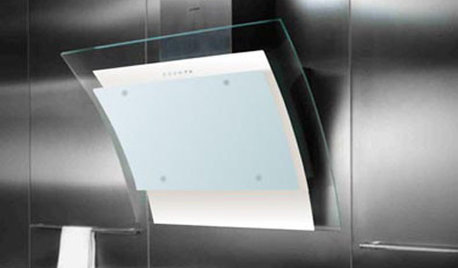
5 Stunning Modern Range Hoods
Today's kitchen range hoods can look like sleek sculptures. Here's what to look for when you go shopping for one
Full Story
MATERIALSThe Most Popular Roofing Material is Affordable and Easy to Install
Asphalt shingles, the most widely used roof material in the U.S. are reliable and efficient, and may be right for you
Full Story
KITCHEN DESIGNHow to Choose the Best Sink Type for Your Kitchen
Drop-in, undermount, integral or apron-front — a design pro lays out your sink options
Full Story
GREAT HOME PROJECTSHow to Install a Dimmer Switch
New project for a new year: Take control of your lighting to set the right mood for entertaining, dining and work
Full Story
GREAT HOME PROJECTSHow to Install Energy-Efficient Windows
Learn what Energy Star ratings mean, what special license your contractor should have, whether permits are required and more
Full Story
BATHROOM DESIGNShould You Install a Urinal at Home?
Wall-mounted pit stops are handy in more than just man caves — and they can look better than you might think
Full Story
EARTH DAYHow to Install a Green Roof
Covering a roof with low-maintenance plants has benefits beyond just beauty. Get the details here
Full Story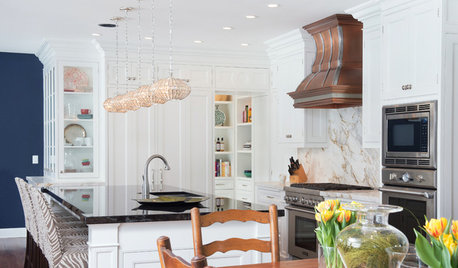
KITCHEN DESIGNWhat to Know When Choosing a Range Hood
Find out the types of kitchen range hoods available and the options for customized units
Full Story
KITCHEN APPLIANCESWhat to Consider When Adding a Range Hood
Get to know the types, styles and why you may want to skip a hood altogether
Full Story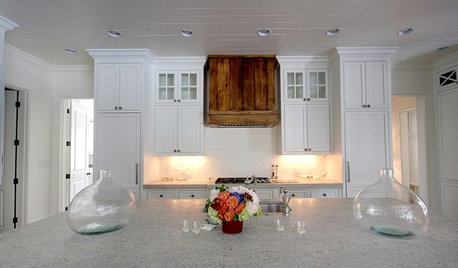
KITCHEN DESIGNWood Range Hoods Naturally Fit Kitchen Style
Bring warmth and beauty into the heart of your home with a range hood crafted from nature's bounty
Full Story
pbx2_gw
jwvideo
Related Professionals
Huntington Kitchen & Bathroom Designers · Flint Bathroom Remodelers · Harrisburg Bathroom Remodelers · Salinas Bathroom Remodelers · Ontario Bathroom Remodelers · Sedalia Kitchen Remodelers · Roanoke Kitchen Remodelers · Virginia Beach Kitchen Remodelers · Auburn Kitchen Remodelers · Hartford Kitchen Remodelers · Manchester Kitchen Remodelers · Olean Kitchen Remodelers · Sheboygan Kitchen Remodelers · Oxnard Kitchen Remodelers · Durango Kitchen Remodelers