

Residential Fire Sprinkler Systems?
18 years ago
Sort by:Oldest
Comments (7)
Related Stories
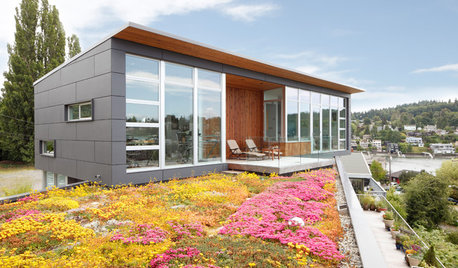
CONTRACTOR TIPSBuilding Permits: What to Know About Green Building and Energy Codes
In Part 4 of our series examining the residential permit process, we review typical green building and energy code requirements
Full Story
GARDENING AND LANDSCAPING7 Outdoor Fire Features Fuel the Soul
Spark some backyard bonding with a fireplace or fire pit, taking inspiration from these shining examples of great design
Full Story
PATIO OF THE WEEKWater and Fire Mingle in a Canadian Front Yard
If the illuminated moat winding through this Ontario patio doesn't dazzle you, the 8-foot-wide fireplace will
Full Story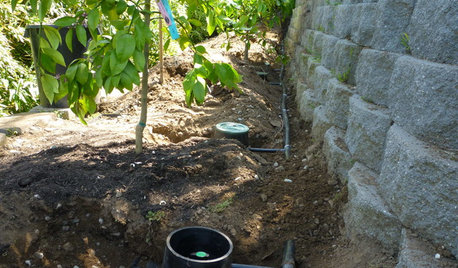
EARTH DAYGrow a Beautiful Garden With Ecofriendly Greywater
Reducing home water waste means lower bills and a healthier planet. Here's how to set up a greywater home irrigation system that can help
Full Story
FLOORSIs Radiant Heating or Cooling Right for You?
Questions to ask before you go for one of these temperature systems in your floors or walls (yes, walls)
Full Story
ARCHITECTURE15 Smart Design Choices for Cold Climates
Keep your home safe and comfortable in winter by choosing the right home features and systems
Full Story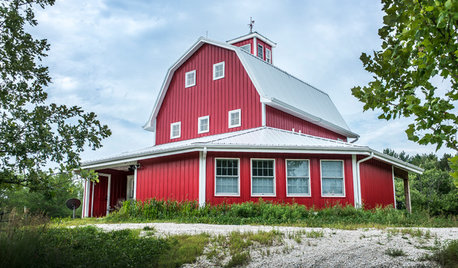
BARN HOMESHouzz Tour: An Energy-Efficient Barn Graces the Nebraska Landscape
Passive-house technologies and a rain-harvesting and greywater system conserve natural resources in this weekend country home
Full Story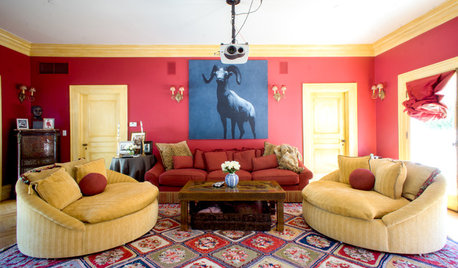
COLORFUL HOMESMy Houzz: A 1904 Georgian Colonial Gets a Personal Stamp
Art with a sense of humor rubs elbows with 17th-century features in a 7-bedroom home in a tony Silicon Valley neighborhood
Full Story
DECORATING GUIDESCalifornia Law: License to Practice Interior Design?
A proposed bill that would require a license to practice interior design in California has Houzzers talking. Where do you stand?
Full Story

bus_driver
bus_driver
Related Professionals
Jackson Architects & Building Designers · Enid Architects & Building Designers · Longview Architects & Building Designers · Morgantown Architects & Building Designers · Sheridan Architects & Building Designers · Clarksville Design-Build Firms · Waterloo Design-Build Firms · Sacramento Design-Build Firms · Chattanooga Home Builders · Enfield Home Builders · Fort Wayne Home Builders · Springfield Home Builders · Binghamton Home Builders · Sioux Falls Home Builders · Sierra Vista Home Buildersterry_t
carova_2008Original Author
Ron Natalie
msm859
bus_driver