

prepairing a foundation for winter
15 years ago
Sort by:Oldest
Comments (7)
Related Stories
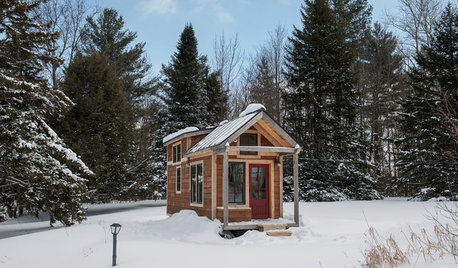
MOST POPULARHouzz Call: Show Us Your Winter View!
Share pictures of your home and garden in winter — whatever your climate, architecture and plantings
Full Story
SHOP HOUZZShop Houzz: Winter Colors in the Living Room
Bring in a blizzard of pale hues, berry red and icy sparkle for drama befitting the season
Full Story0
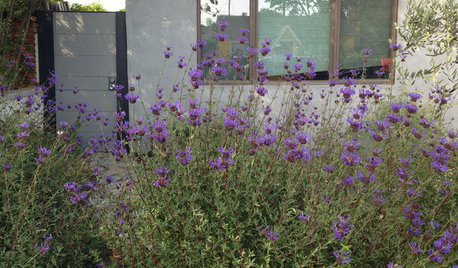
GARDENING GUIDES10 Late-Winter and Early-Spring Bloomers for the West
Tired of waiting for spring to arrive? Try these drought-tolerant, flowering plants for color that starts in late winter
Full Story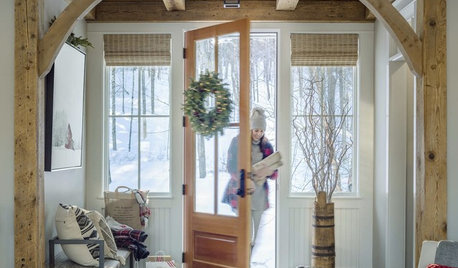
MONTHLY HOME CHECKLISTSYour Winter Home Maintenance Checklist
Keep your home and yard safe and running smoothly as temperatures drop and activity moves indoors
Full Story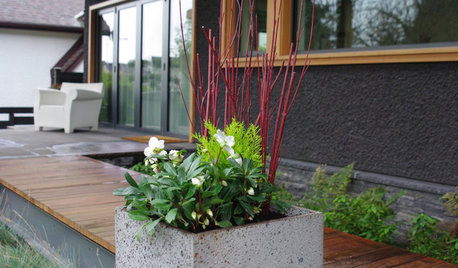
WINTER GARDENING7 Container Plantings to Bring Winter Gardens to Life
Adding instant color but with long-lasting practicality, these plant groupings are bright spots in a slumbering wintertime garden
Full Story
HOUSEKEEPINGProtect Your House From Winter Water Damage
Avoid costly repairs by learning to spot potential problem areas before water damage is done
Full Story
GARDENING GUIDESGreat Design Plant: Valentine Bush for Heartfelt Winter Color
Passionate red flowers from winter through spring add gorgeous color to bare Southwest landscapes
Full Story
TREESGreat Design Plant: Coral Bark Japanese Maple, a Winter Standout
Go for garden gusto during the chilly season with the fiery red stems of this unusual Japanese maple
Full Story
GARDENING GUIDESGarden Myths to Debunk as You Dig This Fall and Rest Over Winter
Termites hate wood mulch, don’t amend soil for trees, avoid gravel in planters — and more nuggets of garden wisdom
Full Story
GARDENING AND LANDSCAPINGHandmade Home: DIY Outdoor Winter Table Setting
Embrace the cold weather and bundle up for an outdoor party in the snow!
Full Story
User
brickeyee
Related Professionals
Natchez Architects & Building Designers · Springfield Architects & Building Designers · Akron Architects & Building Designers · Cleveland Architects & Building Designers · Magog Architects & Building Designers · Dothan Design-Build Firms · Valdosta Design-Build Firms · Janesville Design-Build Firms · Wausau Design-Build Firms · Lake City Home Builders · Brunswick Home Builders · Lexington Home Builders · Atlantic City Home Builders · Victoria Home Builders · Elko Home Buildersworthy
worthy
ldg4511Original Author
worthy
ldg4511Original Author