

Touch Pad vs Knob Controls
14 years ago
Sort by:Oldest
Comments (5)
Related Stories
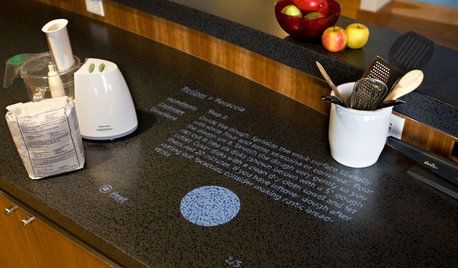
HOME TECHComing Soon: Turn Your Kitchen Counter Into a Touch Screen
Discover how touch projection technology might turn your tables and countertops into iPad-like devices — and sooner than you think
Full Story
HOME TECHNew TV Remote Controls Promise to Do More — Without the Struggle
Dim your lights, set up user profiles and discover a remote you can't lose. Welcome to the latest and greatest way to change the channel
Full Story
MOST POPULARHow Bluetooth 4.0 Will Change Remote Control
Manage lights, TV, refrigerators and more through your phone or tablet when the latest wireless technology rolls into all your home devices
Full Story
KIDS’ SPACESControl Kid Stuff the Sane Way — Artwork-Managing Strategies
Enlist your child's help in managing creative piles to set the stage for good habits and make organizing easier on you
Full Story
APARTMENTSHouzz Tour: Personalizing a Miami Bachelor Pad
Meaningful artwork and other taste-specific touches make for a masculine home that happily fits the owner
Full Story
MOST POPULAR8 Little Remodeling Touches That Make a Big Difference
Make your life easier while making your home nicer, with these design details you'll really appreciate
Full Story
KITCHEN DESIGN12 Farmhouse Touches That Bring Homeyness to a Kitchen
Shaker cabinetry, country-store-inspired hardware, barn elements or a key piece of art will add homestead appeal to your kitchen
Full Story
HOME TECHHouzz Tour: A Gin Distillery Turned Bachelor Pad
A renovation converts a dated North London apartment into a sleek, contemporary home for work, rest and play
Full Story
DECORATING GUIDESNew Sophistication for a Connecticut Bachelor Pad
A designer helps her client update two key spaces in a home with beautiful lakeside views
Full Story
HOUZZ TOURSMy Houzz: Lighthearted Ease for a Petite Hague Pad
Happy hues and an eclectic furnishings mix give a Netherlands home a cheerful, serene vibe
Full Story
asolo
plllog
Related Professionals
Jacksonville Kitchen & Bathroom Designers · Valdosta Kitchen & Bathroom Designers · Texarkana Kitchen & Bathroom Designers · Fall River Kitchen & Bathroom Designers · Oxnard Kitchen & Bathroom Designers · La Grande Kitchen & Bathroom Designers · Medford Kitchen & Bathroom Designers · Bainbridge Bathroom Remodelers · Indianapolis Bathroom Remodelers · Minneapolis Bathroom Remodelers · Cleveland Bathroom Remodelers · Erie Bathroom Remodelers · Glenwood Springs Bathroom Remodelers · North Adams Kitchen Remodelers · Salinas Kitchen Remodelersspringroz
dodge59
dadoes