

Humidity/Hardwood/Should we install?
18 years ago
Sort by:Oldest
Comments (10)
Related Stories
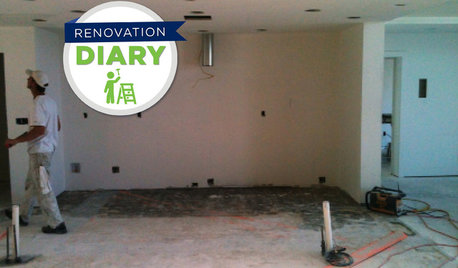
REMODELING GUIDESRanch House Remodel: Installing the Interior Finishes
Renovation Diary, Part 5: Check in on a Florida remodel as the bamboo flooring is laid, the bathroom tiles are set and more
Full Story
GARDENING GUIDESGot a Hot, Humid Landscape? Add Tropical Flair With Air Plants
Turn tree trunks and walls into lush canvases with plants adapted to the canopies of the rainforest
Full Story
BATHROOM DESIGNHow to Install a Toilet in an Hour
Putting a new commode in a bathroom or powder room yourself saves plumber fees, and it's less scary than you might expect
Full Story
FENCES AND GATESHow to Install a Wood Fence
Gain privacy and separate areas with one of the most economical fencing choices: stained, painted or untreated wood
Full Story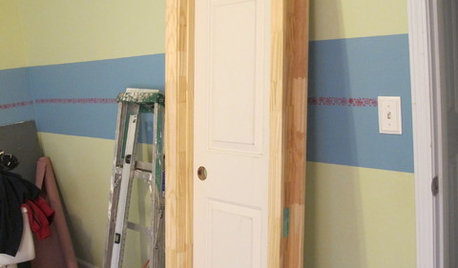
REMODELING GUIDESDIY: How to Install a Door
Homeowners who aren't afraid of nail guns can tackle their own pre-hung door project in a couple of hours
Full Story
MATERIALSThe Most Popular Roofing Material is Affordable and Easy to Install
Asphalt shingles, the most widely used roof material in the U.S. are reliable and efficient, and may be right for you
Full Story
FLOORSWhat's the Right Wood Floor Installation for You?
Straight, diagonal, chevron, parquet and more. See which floor design is best for your space
Full Story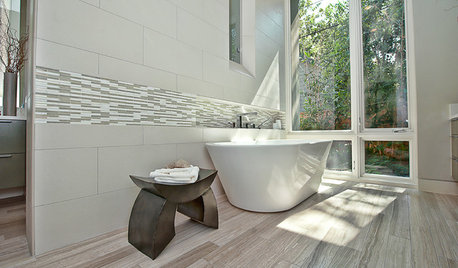
BATHROOM DESIGNHow to Match Tile Heights for a Perfect Installation
Irregular tile heights can mar the look of your bathroom. Here's how to counter the differences
Full Story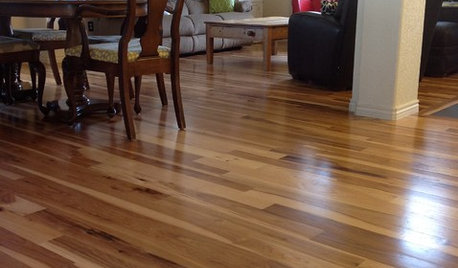
MATERIALSWhat to Ask Before Choosing a Hardwood Floor
We give you the details on cost, installation, wood varieties and more to help you pick the right hardwood flooring
Full Story
WALL TREATMENTSBeadboard Panels Offer a Shortcut to a Classic Style
Traditional touch: Change up plain bathroom walls with beaded hardwood planks and trim you can install yourself
Full Story
glennsfc
floorguy
Related Professionals
Baton Rouge Flooring Contractors · West Plains Flooring Contractors · Beatrice Flooring Contractors · Olean Flooring Contractors · Harrisburg Flooring Contractors · Washington Tile and Stone Contractors · Vidalia Tile and Stone Contractors · Lafayette Tile and Stone Contractors · Fayetteville Tile and Stone Contractors · Modesto Tile and Stone Contractors · Cape Coral Kitchen Remodelers · Panama City Kitchen Remodelers · Middletown Kitchen Remodelers · Logan Kitchen Remodelers · Olympia Kitchen Remodelersglennsfc
glennsfc
boxers
floorguy
glennsfc
green-zeus
glennsfc
ccoombs1