

Fitness Monitors
15 years ago
Sort by:Oldest
Comments (7)
Related Stories
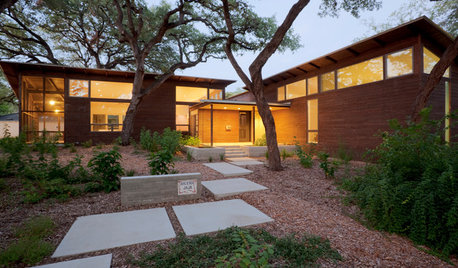
GREEN BUILDINGMeet a High-Tech Home That Monitors Itself
Energy vampires have nowhere to hide in this LEED Platinum home, as energy efficient as it is architecturally beautiful
Full Story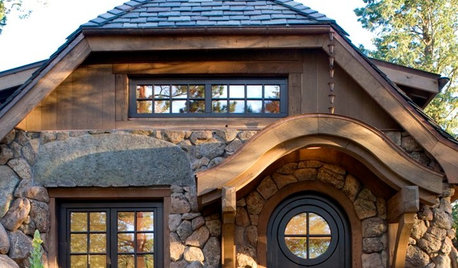
HOUZZ TOURSDiscover a Hobbit House Fit for Bilbo Baggins
Part art studio, part guesthouse and all charm, this imaginative Colorado cottage looks like it grew right out of the earth
Full Story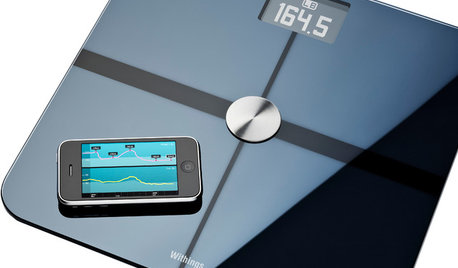
HOME TECHGadgets Help You Watch Your Health at Home
See the crop of new devices that can monitor your body's vital signs and environment for health, fitness and fun
Full Story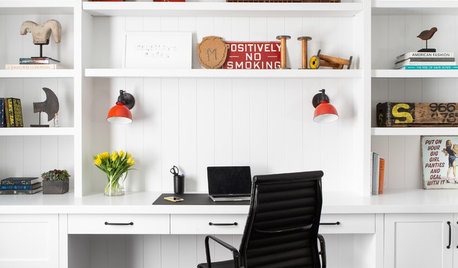
REMODELING GUIDESKey Measurements to Help You Design the Perfect Home Office
Fit all your work surfaces, equipment and storage with comfortable clearances by keeping these dimensions in mind
Full Story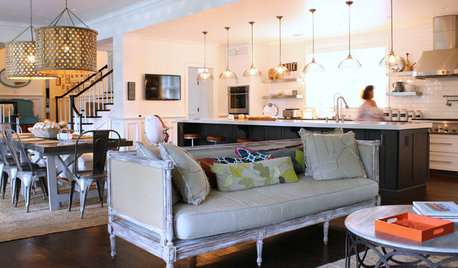
HOUZZ TOURSMy Houzz: Home Full of Boys Achieves Order and Inspiration
A 3-month overhaul produces an organized and inviting space fit for this Florida family of 9
Full Story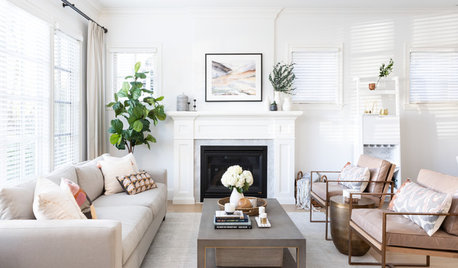
LIVING ROOMSKey Measurements for Your Living Room
Learn the basic dimensions that will allow good circulation, flow and balance as you fit in all the furnishings you want
Full Story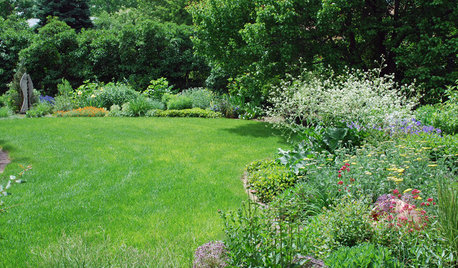
GARDENING GUIDESRocky Mountain Gardener: What to Do in June
Join the edible-garden club, deadhead spring-blooming plants around the landscape and make sure to fit in an inspiring garden tour
Full Story
GARDENING GUIDESHouzz TV: Make a Worm Bin for Rich Soil and Happy Plants
A worm-powered compost bin that can fit under a sink turns food scraps into a powerful amendment for your garden. Here’s how to make one
Full Story
LIGHTINGTake a Shine to Candle Sconces
For casting that romantic glow or adding an element of mystery to any room in the home, nothing beats a candlelit wall sconce
Full Story
HOME TECHFacebook Meets Fido: Pet Connections for the Digital Age
Three new products let you communicate with your dog or cat while you're at work
Full Story
work_in_progress_08
hhirenoOriginal Author
Related Professionals
Tuscaloosa Interior Designers & Decorators · Charlotte Interior Designers & Decorators · Parkersburg Interior Designers & Decorators · South Bend Interior Designers & Decorators · Wenatchee Interior Designers & Decorators · Danbury Kitchen & Bathroom Designers · Grand Island Kitchen & Bathroom Designers · Victoria Kitchen & Bathroom Designers · Hot Springs Furniture & Accessories · Gaithersburg Furniture & Accessories · Chattanooga Furniture & Accessories · Georgetown Furniture & Accessories · Olean Furniture & Accessories · San Angelo Furniture & Accessories · Sanford Furniture & Accessoriestinam61
liriodendron
dawnp
hhirenoOriginal Author
terezosa / terriks