

TECHs' Determining Metering Device Easy Way
18 years ago
Sort by:Oldest
Comments (6)
Related Stories
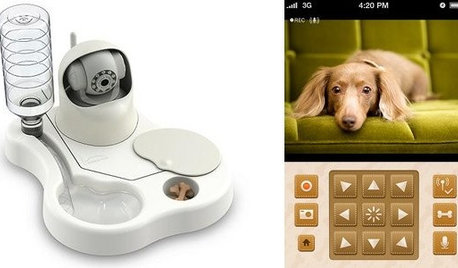
HOME TECHTo Feed and Protect: Care for Your Pet From Afar With New Devices
You might miss the nuzzles, but your dog or cat won't miss food, water or monitoring with these high-tech feeders and cameras
Full Story
GREEN DECORATINGEasy Green: Big and Small Ways to Be More Water-Wise at Home
These 20 tips can help us all make the best use of a precious resource. How do you save water in summer?
Full Story
REMODELING GUIDES15 Ways to Design an Easy-Clean Home
Spend more time doing what you love with these pointers for minimizing cleaning needs throughout the entire house
Full Story
HOUZZ TOURSMy Houzz: A Country Home Built on Dreams and Determination
Meaningful antiques mix with new pieces in a family’s just-built house on a former strawberry farm in Oregon
Full Story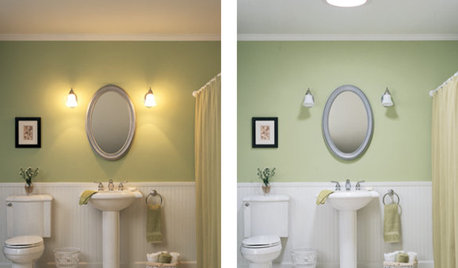
REMODELING GUIDESTubular Daylighting Devices Bring In Natural Light
More advanced and less pricey than traditional skylights, TDDs are the most modern way to let the light in
Full Story
LIFE11 Easy Ways to Keep Your New Year’s Resolutions
Work smarter, not harder, to reach your goals — success is more about taking the right approach than about slogging your way there
Full Story
HOME TECHTech to the Rescue: How to Get Stolen Gadgets Back
Catch any crook who dares steal devices from your home with recording and tracking technology that's easy to use
Full Story
PETSHome Tech: Pets Need Gadgets, Too
Longing for a better way to track your dog's whereabouts or provide indoor-outdoor pet access? New home gadgets do that and more
Full Story
MATERIALSThe Most Popular Roofing Material is Affordable and Easy to Install
Asphalt shingles, the most widely used roof material in the U.S. are reliable and efficient, and may be right for you
Full Story
KITCHEN DESIGNDesign an Easy-Clean Kitchen
"You cook and I'll clean" might no longer be a fair trade with these ideas for low-maintenance kitchen countertops, cabinets and floors
Full Story
ryanhughes
ryanhughes
Related Professionals
Greensboro General Contractors · Virginia Beach General Contractors · Bloomington General Contractors · Hempstead General Contractors · Pueblo General Contractors · Madison Home Remodeling · Lake Charles Home Remodeling · Fayetteville Home Remodeling · Frisco Home Remodeling · Santa Fe Home Remodeling · Sarasota Bathroom Remodelers · Lawton Bathroom Remodelers · Miami Bathroom Remodelers · Wichita Falls Bathroom Remodelers · Rutland Bathroom Remodelersudarrell_2007Original Author
Tinmantu
kalining
udarrell_2007Original Author