

Kitchen Ergonomics Resource?
17 years ago
Sort by:Oldest
Comments (5)
Related Stories
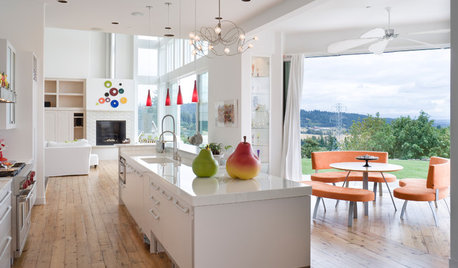
KITCHEN DESIGNYour Essential Resource for a Healthy, Ecofriendly Kitchen
Find the Houzz guides to choosing earth-friendly kitchen counters, cabinets, appliances, lighting, flooring and tile — all in one place
Full Story
GREEN BUILDINGMeet a New Resource-Saving Prefab Design
Energy efficiency and a resourceful layout combine with ecofriendly materials in this noteworthy prototype for modular homes
Full Story
HOUZZ TOURSMy Houzz: Resourcefulness Works for a Midcentury Remodel
Reclaimed wood floors, thrifty finds and plenty of patience pay off for a budget-minded family in Dallas
Full Story
HOUZZ TOURSMy Houzz: Patience and Resourcefulness Pay Off in Dallas
Unhurried remodeling lets a growing family stay within budget and get exactly the look they want for their Texas home
Full Story
DECORATING GUIDESShow Your Resourceful Side With Vintage Coastal Style
Reused pieces anchor this soothing, casual design style, rounded out with soft fabrics and weathered materials
Full Story
HOUZZ TOURSMy Houzz: 2 Tools + 1 Resourceful Guy = Lots of Great ‘New’ Furniture
With scrap wood and a hands-on attitude, a San Francisco renter on a tight budget furnishes his bedroom and more
Full Story
HOUZZ TOURSHouzz Tour: Creative Resourcefulness in a 1970s Ranch
Combine design dexterity and abundant creativity with patience, and what do you get? A home awash in personality and style
Full Story
HOUZZ TOURSHouzz Tour: Resourcefulness Shows in a Rugged Montana Cabin
Reclaimed materials and a simple plan help a carpenter build his own inviting, energy-efficient home
Full Story
HOUZZ TOURSMy Houzz: Resourceful and Inviting in Denver
Frugal fixes, delightful murals and roll-up-your-sleeves energy override a modest budget in a mountain-town home
Full Story
KITCHEN DESIGNHow to Pick Your Important Kitchen Appliances
Find the ideal oven, refrigerator, range and more without going nutty — these resources help you sort through your the appliance options
Full Story

Fori
tigger
Related Professionals
Elgin Kitchen & Bathroom Designers · Muskegon Kitchen & Bathroom Designers · Plattsburgh Kitchen & Bathroom Designers · Toledo Kitchen & Bathroom Designers · Brunswick Kitchen Remodelers · California Kitchen Remodelers · San Marcos Kitchen Remodelers · Stamford Kitchen Remodelers · Muncie Kitchen Remodelers · Sacramento Kitchen Remodelers · Vancouver Kitchen Remodelers · Oxford Custom Countertops · Concord Custom Countertops · Fresno Custom Countertops · Salt Lake City Custom Countertopsmindstorm
the_stigOriginal Author
Circus Peanut