

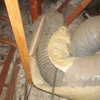
Humidifier Installed Incorrectly?
17 years ago
Sort by:Oldest
Comments (5)
Related Stories

GREAT HOME PROJECTSHow to Install Energy-Efficient Windows
Learn what Energy Star ratings mean, what special license your contractor should have, whether permits are required and more
Full Story
REMODELING GUIDESContractor Tips: How to Install Tile
Before you pick up a single tile, pull from these tips for expert results
Full Story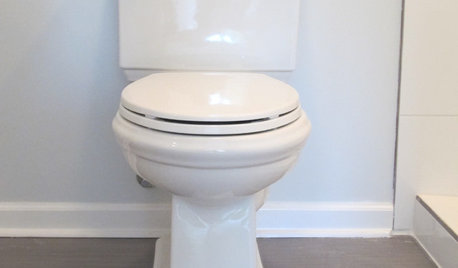
BATHROOM DESIGNHow to Install a Toilet in an Hour
Putting a new commode in a bathroom or powder room yourself saves plumber fees, and it's less scary than you might expect
Full Story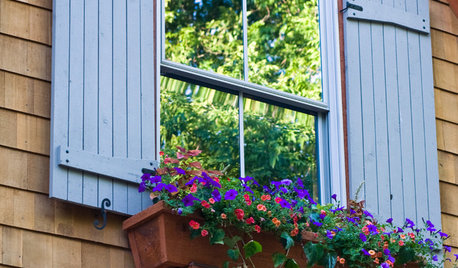
CURB APPEALHow to Make a Window Garden Grow
Get the scoop on materials, installation, plantings and more to bring the charming look of window boxes to your home
Full Story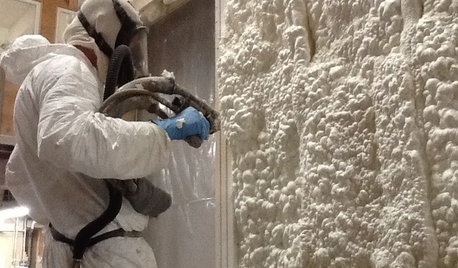
MATERIALSInsulation Basics: What to Know About Spray Foam
Learn what exactly spray foam is, the pros and cons of using it and why you shouldn’t mess around with installation
Full Story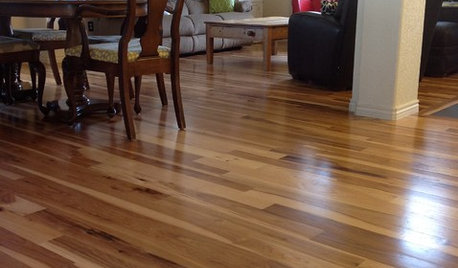
MATERIALSWhat to Ask Before Choosing a Hardwood Floor
We give you the details on cost, installation, wood varieties and more to help you pick the right hardwood flooring
Full Story
GARDENING GUIDESHow to Plant a New Lawn From Sod
Take the quick-start route to turf with sod; these installation guidelines will help ensure a healthy and long-lasting lawn
Full Story
TILEEpoxy vs. Cement Grout — What's the Difference?
Grout is grout, right? Nope. Cement and epoxy versions have different appearances, durability and rules of installation
Full Story
TILEWhy Bathroom Floors Need to Move
Want to prevent popped-up tiles and unsightly cracks? Get a grip on the principles of expansion and contraction
Full Story
REMODELING GUIDESWhen to Use Engineered Wood Floors
See why an engineered wood floor could be your best choice (and no one will know but you)
Full Story
zl700
skizotOriginal Author
Related Professionals
Lafayette General Contractors · Plymouth General Contractors · Worcester General Contractors · Odessa General Contractors · La Grande General Contractors · Logan General Contractors · Jackson General Contractors · Little Rock Home Remodeling · Lewiston Home Remodeling · Coldwater Home Remodeling · South Sioux City Home Remodeling · Brooklyn Home Remodeling · Middletown Home Remodeling · Butte Home Remodeling · Vineland Bathroom Remodelersvstech
zl700
skizotOriginal Author