

Help? plaster issues
14 years ago
Sort by:Oldest
Comments (7)
Related Stories
REMODELING GUIDESWisdom to Help Your Relationship Survive a Remodel
Spend less time patching up partnerships and more time spackling and sanding with this insight from a Houzz remodeling survey
Full Story
WORKING WITH PROS3 Reasons You Might Want a Designer's Help
See how a designer can turn your decorating and remodeling visions into reality, and how to collaborate best for a positive experience
Full Story
REMODELING GUIDES8 Tips to Help You Live in Harmony With Your Neighbors
Privacy and space can be hard to find in urban areas, but these ideas can make a difference
Full Story
HOUZZ TOURSMy Houzz: 38 Years of Renovations Help Artists Live Their Dream
Twin art studios. Space for every book and model ship. After four decades of remodeling, this farmhouse has two happy homeowners
Full Story
You Said It: Hot-Button Issues Fired Up the Comments This Week
Dust, window coverings, contemporary designs and more are inspiring lively conversations on Houzz
Full Story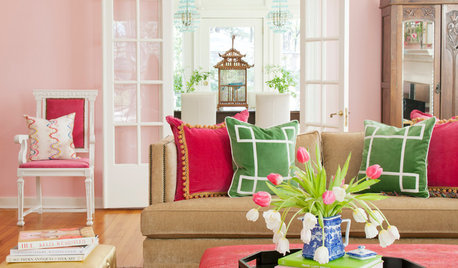
COLORColor Commitment Issues? Just Throw In a Pillow
You don't need to go big or permanent to go bold with color in your rooms; you only need to master the easy art of the toss
Full Story
LANDSCAPE DESIGNHow to Help Your Home Fit Into the Landscape
Use color, texture and shape to create a smooth transition from home to garden
Full Story
POOLSPlaster Tops Popularity List for Pool Finishes
Classic white or dyed to suit a mood, plaster is the most common and affordable finish for pools today
Full Story
WALL TREATMENTSSurface Smarts: Venetian Plaster
Centuries-old Venetian plaster has made a roaring comeback in modern interiors. Could this old-world wall favorite work in your home?
Full Story
PETSHow to Help Your Dog Be a Good Neighbor
Good fences certainly help, but be sure to introduce your pup to the neighbors and check in from time to time
Full Story
liriodendron
abh2Original Author
Related Professionals
Alexandria Home Remodeling · Corpus Christi Home Remodeling · Fort Dodge Home Remodeling · Wausau Home Remodeling · Clearlake Home Remodeling · Joplin Home Builders · New Haven Home Builders · Grand Rapids Home Builders · Lake Havasu City Home Builders · Minot Home Builders · Jackson Home Builders · Edmonton Home Builders · Evansville Kitchen & Bathroom Designers · Zanesville Kitchen & Bathroom Designers · Reno Kitchen & Bathroom Designersbrickeyee
abh2Original Author
brickeyee
abh2Original Author
brickeyee