

Primer and paint...
17 years ago
Sort by:Oldest
Comments (5)
Related Stories
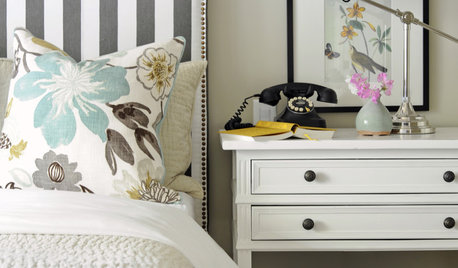
DECORATING GUIDESPattern Primer: How to Pair Different Prints
From demure florals to fearless camouflage, learn to mix patterns without making a mishmash
Full Story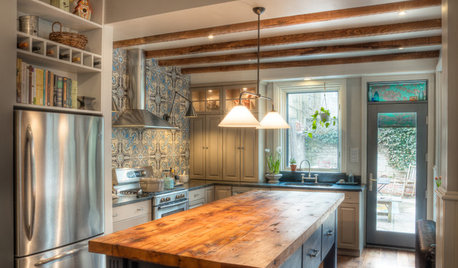
HEALTHY HOMENontoxic Paint 101
If 'VOC' sounds like gobbledygook and you have no clue what causes that funny smell, check out this primer on ecofriendly paint types
Full Story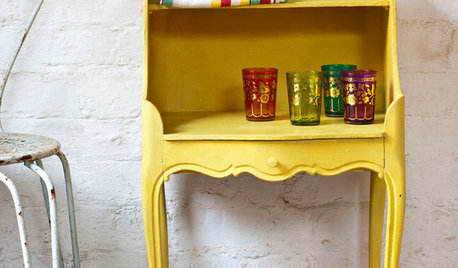
PAINTINGWhat to Know About Milk Paint and Chalk Paint — and How to Use Them
Learn the pros, cons, cost and more for these two easy-to-use paints that are great for giving furniture a vintage look
Full Story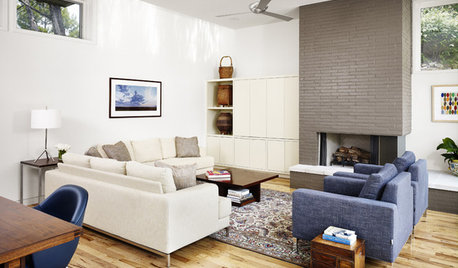
DECORATING GUIDESWhat You Need to Know Before Painting Brick
Sure, painted brick can be a great look. But you need to take some risks into account. Here's how to paint brick like a pro
Full Story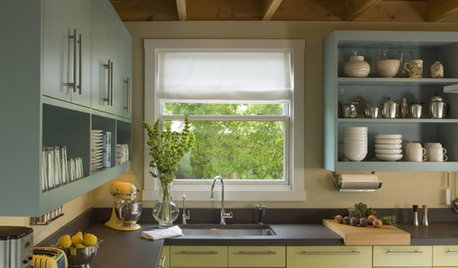
MOST POPULAR8 Great Kitchen Cabinet Color Palettes
Make your kitchen uniquely yours with painted cabinetry. Here's how (and what) to paint them
Full Story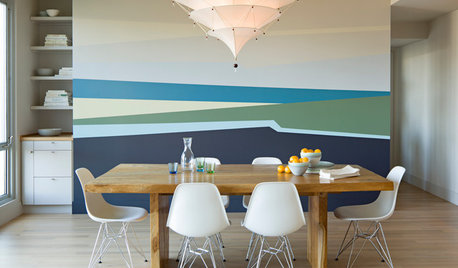
DECORATING GUIDESGet the Scoop on Finding the Best Paint for Your Money
Scoring the best deal on paint for your home may have nothing to do with advertised specials
Full Story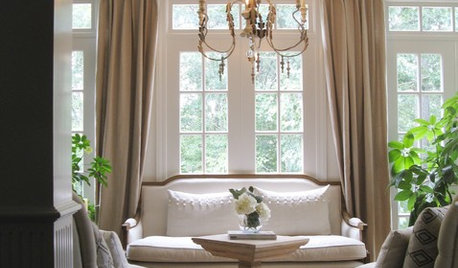
DECORATING GUIDESSo Your Style Is: Traditional
Smitten with classic home design? Use this primer to bring the best of the traditional look to your house
Full Story
PAINTINGBulletproof Decorating: How to Pick the Right Kind of Paint
Choose a paint with some heft and a little sheen for walls and ceilings with long-lasting good looks. Here are some getting-started tips
Full Story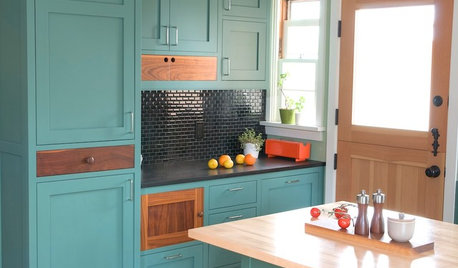
MOST POPULARFrom the Pros: How to Paint Kitchen Cabinets
Want a major new look for your kitchen or bathroom cabinets on a DIY budget? Don't pick up a paintbrush until you read this
Full Story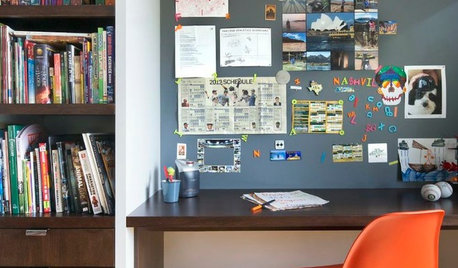
DECORATING GUIDESHow to Create a Room With a Magnetic Personality
Are you feeling the pull of a magnetic-paint project? Here’s how to get started and what to expect along the way
Full Story

paintguy22
mlo1Original Author
Related Professionals
Hays Interior Designers & Decorators · Shreveport Interior Designers & Decorators · Dayton Interior Designers & Decorators · Mansfield Interior Designers & Decorators · Rapid City Interior Designers & Decorators · Chambersburg Bathroom Remodelers · Sheboygan Bathroom Remodelers · Florence Kitchen & Bathroom Designers · Indianapolis Kitchen & Bathroom Designers · Lexington Kitchen & Bathroom Designers · Shreveport Kitchen & Bathroom Designers · Charlotte Kitchen & Bathroom Designers · Harrisonburg Kitchen & Bathroom Designers · Escanaba Kitchen & Bathroom Designers · Stockton Kitchen & Bathroom Designerssierraeast
mlo1Original Author
sierraeast