

New Grout Product Forms Solid Surface?
16 years ago
Sort by:Oldest
Comments (4)
Related Stories
KITCHEN COUNTERTOPSKitchen Counters: High-Tech Solid Surfaces Make Maintenance Easy
Sculpted by heat and nonporous by nature, solid-surface countertops bring imagination and low maintenance to the kitchen
Full Story
MATERIALSShape Up Your Surfaces With New Tile Textures and Forms
Take your walls and floors to a different dimension with innovative sculptural tiles, as shown at the 2013 Coverings expo
Full Story
REMODELING GUIDES9 Ways Grout–Yes, Grout–Can Add to Your Design
Choose From a Palette of Grout Colors for a Warm, Unified Look
Full Story
HOUSEKEEPINGHow to Clean Grout — Stains and All
If your grout is grossing you out, this deep-cleaning method will help it look new again
Full Story
BATHROOM DESIGNBathroom Countertops 101: The Top Surface Materials
Explore the pros and cons of 7 popular bathroom countertop materials
Full Story
KITCHEN DESIGNKitchen Countertops 101: Choosing a Surface Material
Explore the pros and cons of 11 kitchen countertop materials. The options may surprise you
Full Story
KITCHEN BACKSPLASHESWhy You Should Embrace a Solid Slab Backsplash
The effect is stunning, and yet the cost can be minimal. Here’s what to know about using full slabs of stone in your kitchen
Full Story
TILEEpoxy vs. Cement Grout — What's the Difference?
Grout is grout, right? Nope. Cement and epoxy versions have different appearances, durability and rules of installation
Full Story
TILE3 Key Steps for Grouting That Looks Its Best
Get your grout right to keep your tile beautiful and for an installation that will last
Full Story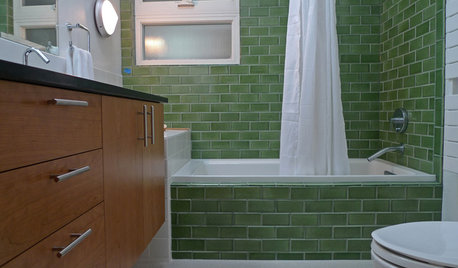
BATHROOM DESIGNBathroom Surfaces: Ceramic Tile Pros and Cons
Learn the facts on this popular material for bathroom walls and floors, including costs and maintenance needs, before you commit
Full Story
plllog
plumeriavine
Related Professionals
Pensacola Kitchen & Bathroom Designers · Charlotte Kitchen & Bathroom Designers · Cedar Rapids Kitchen & Bathroom Designers · Laconia Kitchen & Bathroom Designers · Superior Kitchen & Bathroom Designers · California Kitchen Remodelers · Erie Kitchen Remodelers · Salinas Kitchen Remodelers · Las Vegas Kitchen Remodelers · Reno Kitchen Remodelers · Burlington Custom Countertops · Grand Rapids Custom Countertops · Fort Collins Custom Countertops · Bozeman Custom Countertops · Ontario Custom Countertopsreyesuela
bill_vincent