

Katie Cr's 'Base' ?'s
19 years ago
Sort by:Oldest
Comments (3)

Related Stories
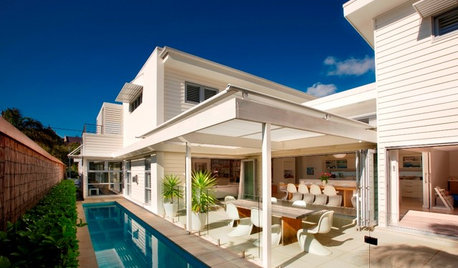
POOLSInspired by Olympic Swimming Feats? Dive In With a Lap Pool
You don’t have to be a Michael Phelps or Katie Ledecky to enjoy a backyard pool dedicated to lap swimming
Full Story
HOUZZ TOURSMy Houzz: Chic Meets Whimsy in Vancouver
Personalized to the nines, this new house has serious style and a lighthearted vibe
Full Story
FURNITUREUpholstery in 3D Comes to ICFF 2013
Laminate triangles put this award-winning chair ahead of the curve at a New York City furniture fair
Full Story
HOUZZ TOURSMy Houzz: A Breezy Beachfront Getaway for 8
Gutting and redesigning turn a dilapidated Florida triplex into a comfortable weekend retreat for a big family
Full Story
HOUZZ TOURSMy Houzz: Ranch House Gets a Craftsman Upgrade
Inspired by the Arts and Crafts movement, a Dallas couple reimagines their traditional ranch house
Full Story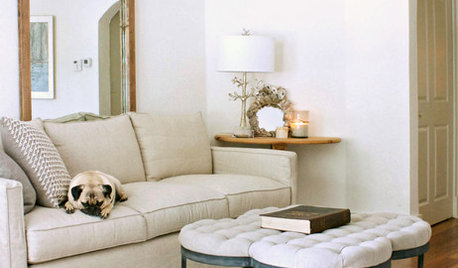
HOUZZ TOURSMy Houzz: Peacefulness and Pugs in Tampa
Soothing colors and cushy furniture make for a comfy-cozy apartment for a shop owner and her pets
Full Story
REMODELING GUIDESProject Tour: New Urbanism in Colorado
High-density community forges its own style from a mix of influences, uses and sustainable design ideas
Full Story
BATHROOM DESIGNRoom of the Day: Master Bath Gets the Luxe Treatment
A Texas couple’s long-awaited master bathroom renovation adds square footage and elegance
Full Story
HOUZZ TOURSMy Houzz: Mobile Microliving in Oregon
A 128-square-foot home for a couple in Portland is designed for simplicity, affordability and beauty
Full Story
HOUZZ TOURSHouzz Tour: Modern Venice Canals Home Radiates Calm
A pared-down lifestyle didn't mean a reduction in style for this poised and tranquil home in a scenic, upscale Los Angeles area
Full Story


katie_cr
Faron79Original Author
Related Professionals
Athens Interior Designers & Decorators · Bartlesville Interior Designers & Decorators · Waterbury Interior Designers & Decorators · Elgin Interior Designers & Decorators · Amherst Interior Designers & Decorators · Bangor Interior Designers & Decorators · Flint Interior Designers & Decorators · Traverse City Interior Designers & Decorators · Pueblo Interior Designers & Decorators · Saginaw Bathroom Remodelers · Pittsburgh Bathroom Remodelers · Durango Bathroom Remodelers · Kalispell Bathroom Remodelers · Fort Dodge Kitchen & Bathroom Designers · Dickinson Kitchen & Bathroom Designerskatie_cr