

Heating Pipes Option?
16 years ago
Sort by:Oldest
Comments (3)
Related Stories
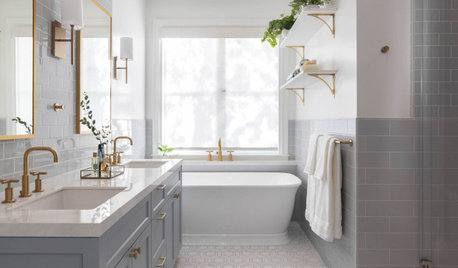
FLOORSWhat to Ask When Considering Heated Floors
These questions can help you decide if radiant floor heating is right for you — and what your options are
Full Story
LIFEThe Polite House: How Can I Tell a Construction Crew to Pipe Down?
If workers around your home are doing things that bother you, there’s a diplomatic way to approach them
Full Story
FLOORSIs Radiant Heating or Cooling Right for You?
Questions to ask before you go for one of these temperature systems in your floors or walls (yes, walls)
Full Story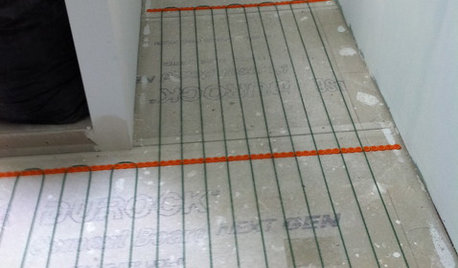
BATHROOM DESIGNWarm Up Your Bathroom With Heated Floors
If your bathroom floor is leaving you cold, try warming up to an electric heating system
Full Story
GREAT HOME PROJECTSHow to Add a Radiant Heat System
Enjoy comfy, consistent temperatures and maybe even energy savings with hydronic heating and cooling
Full Story
FLOORSFloors Warm Up to Radiant Heat
Toasty toes and money saved are just two benefits of radiant heat under your concrete, wood or tile floors
Full Story
BATHROOM DESIGNSink Pipes Worth Seeing
Decorative Options Let You Get Creative With Those Fixtures Under the Sink
Full Story
PRODUCT PICKSGuest Picks: Pipe Up for a Crisp Look
Talk about tailored — piping offers a bespoke look even on ready-made furniture and pillows
Full Story
GREEN BUILDINGHouzz Tour: Passive House in Vermont Slashes Heating Bills
Its ecofriendly, low-maintenance design leaves a family with more time to relax and enjoy the weekend home
Full Story
Sponsored

ken_in_virginia
heimert
Related Professionals
San Francisco General Contractors · Montrose General Contractors · Albuquerque General Contractors · Redding General Contractors · Tuscaloosa Home Remodeling · Middletown Home Remodeling · Columbia Home Remodeling · South Sioux City Home Remodeling · Oneonta Home Remodeling · Tuscaloosa Bathroom Remodelers · Dover Bathroom Remodelers · Chambersburg Bathroom Remodelers · Houston Bathroom Remodelers · Charlottesville Bathroom Remodelers · Sheboygan Bathroom Remodelersalphonse