

How can 'soft' materials plug a drain?
17 years ago
Sort by:Oldest
Comments (5)
Related Stories

BATHROOM DESIGNHow to Choose the Best Drain for Your Shower
Don't settle for a cheap fix when you can pick a shower drain that suits your style preferences and renovation codes alike
Full Story
GREEN BUILDINGOff the Grid: Ready to Pull the Plug on City Power?
What to consider if you want to stop relying on public utilities — or just have a more energy-efficient home
Full Story
PETS5 Finishes Pets and Kids Can’t Destroy — and 5 to Avoid
Save your sanity and your decorating budget by choosing materials and surfaces that can stand up to abuse
Full Story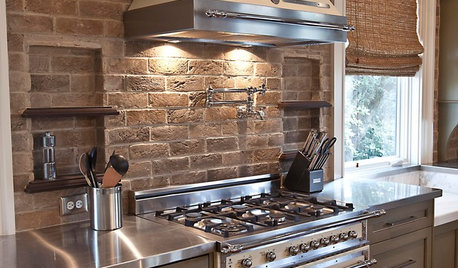
KITCHEN DESIGNYes, You Can Use Brick in the Kitchen
Quell your fears of cooking splashes, cleaning nightmares and dust with these tips from the pros
Full Story
LANDSCAPE DESIGNDefine Your Garden Softly With Planted Borders
Why make things hard for your garden's edges? Embrace a softer side by trading brick and concrete for shrubs, grasses and ground covers
Full Story
DECKSDecking Materials Beyond Basic Lumber
Learn about softwoods, tropical hardwoods, composites and more for decks, including pros, cons and costs
Full Story
HOUSEKEEPINGCan-Do Cleaning Strategies for Busy People
While you dream of having a maid (to go with the cook and chauffer), this simplified cleaning routine can keep your real-world home tidy
Full Story
LAUNDRY ROOMSThe Cure for Houzz Envy: Laundry Room Touches Anyone Can Do
Make fluffing and folding more enjoyable by borrowing these ideas from beautifully designed laundry rooms
Full Story
KITCHEN DESIGN8 Kitchen Sink Materials to Consider
Learn the pros and cons of these common choices for kitchen sinks
Full Story
KITCHEN DESIGNNew This Week: 2 Kitchens That Show How to Mix Materials
See how these kitchens combine textures, colors and materials into a harmonious whole
Full Story


homebound
jim_w_nyOriginal Author
Related Professionals
Miami General Contractors · Lincoln General Contractors · San Francisco General Contractors · Spokane General Contractors · Rock Springs General Contractors · Elizabethtown Home Remodeling · Miami Home Remodeling · Saginaw Home Remodeling · Hempstead Home Remodeling · Lawton Bathroom Remodelers · New Braunfels Bathroom Remodelers · Williamsburg Bathroom Remodelers · Portsmouth Bathroom Remodelers · Pueblo Bathroom Remodelers · Wenatchee Bathroom Remodelersdavidandkasie
brickeyee
jim_w_nyOriginal Author