

Cast Iron Main Vent Stack
19 years ago
Sort by:Oldest
Comments (3)
Related Stories
REMODELING GUIDESOriginal Home Details: What to Keep, What to Cast Off
Renovate an older home without regrets with this insight on the details worth preserving
Full Story
LAUNDRY ROOMS7-Day Plan: Get a Spotless, Beautifully Organized Laundry Room
Get your laundry area in shape to make washday more pleasant and convenient
Full Story
KITCHEN DESIGNA Cook’s 6 Tips for Buying Kitchen Appliances
An avid home chef answers tricky questions about choosing the right oven, stovetop, vent hood and more
Full Story
TASTEMAKERSPro Chefs Dish on Kitchens: Michael Symon Shares His Tastes
What does an Iron Chef go for in kitchen layout, appliances and lighting? Find out here
Full Story
GARDENING AND LANDSCAPINGSenses and Sensibility Make a Melbourne Patio Magical
Plants that appeal to the 5 senses, one-of-a-kind fences and plenty of space for entertaining cast a pleasing spell on the whole family
Full Story
HEALTHY HOMEDetox Your Kitchen for the Healthiest Cooking
Maybe you buy organic or even grow your own. But if your kitchen is toxic, you're only halfway to healthy
Full Story
LAUNDRY ROOMSThe Cure for Houzz Envy: Laundry Room Touches Anyone Can Do
Make fluffing and folding more enjoyable by borrowing these ideas from beautifully designed laundry rooms
Full Story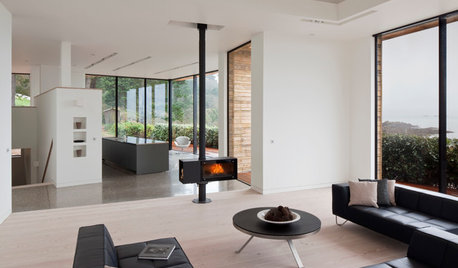
FIREPLACESUpdated Woodstoves Keep Home Fires Burning
Better technology means more efficiency than ever for modern woodstoves
Full Story
LIFEHow Your Landscaping Can Keep Burglars Away
Prevent home break-ins with strategic landscaping and good practices instead of menacing — and maybe less effective — measures
Full Story
KITCHEN DESIGNHang 'Em or Hide 'Em: 10 Stylish Ways to Store Pots and Pans
Keep cookware neat and at the ready with racks, drawers and creative storage solutions
Full StorySponsored

Central Ohio's Trusted Home Remodeler Specializing in Kitchens & Baths



brickeyee
thibsOriginal Author
Related Professionals
Emporia General Contractors · Natchitoches General Contractors · Greenville General Contractors · Champaign General Contractors · Aberdeen General Contractors · San Luis Obispo General Contractors · Amherstburg General Contractors · Saginaw Home Remodeling · Saint Marys Home Remodeling · San Luis Obispo Home Remodeling · Montréal Home Remodeling · Augusta Bathroom Remodelers · Tulsa Bathroom Remodelers · San Marcos Bathroom Remodelers · Portland Bathroom Remodelersbrickeyee