

Choosing pool pump
17 years ago
Sort by:Oldest
Comments (4)
Related Stories
REMODELING GUIDESTop 10 Tips for Choosing Shower Tile
Slip resistance, curves and even the mineral content of your water all affect which tile is best for your shower
Full Story
FENCES AND GATESHow to Choose the Right Fence
Get the privacy, security and animal safeguards you need with this guide to fencing options
Full Story
BATHROOM DESIGNHow to Choose Tile for a Steam Shower
In steamy quarters, tile needs to stand up to all that water and vapor in style. Here's how to get it right the first time
Full Story
DREAM SPACESIf You Could Choose One Dream Space ...
Yoga room, wine cellar, infinity pool or tricked-out garage — which of these luxurious rooms would be at the top of your list?
Full Story
MORE ROOMS12 Colors to Pump Up Your Home Gym
Peeling gray walls not inspiring your workouts? Exercise your right to a motivating space with these stylish paint picks
Full Story
EXTERIORSPergolas Pump Up Curb Appeal
Pergolas aren't just for the backyard. Mount them over the garage to add a graceful flourish to your home's facade
Full Story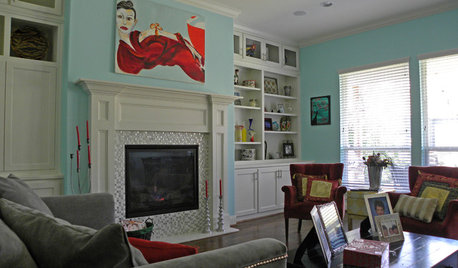
HOUZZ TOURSMy Houzz: Fitness and Color Pump Up a Dallas Home
A Texas mom brings her work home with a fitness studio amid rooms energized with color and charm
Full Story
BATHROOM DESIGNHow to Choose the Best Drain for Your Shower
Don't settle for a cheap fix when you can pick a shower drain that suits your style preferences and renovation codes alike
Full Story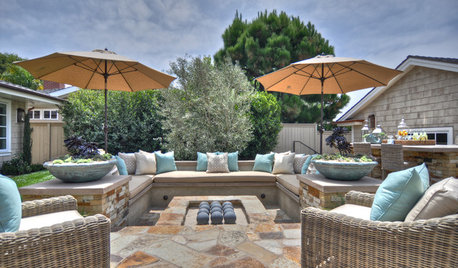
COLOR5 Tips for Choosing a Primary Outdoor Color
Strengthen your style statement by carrying color choices from your home to all the parts of your property that surround it
Full Story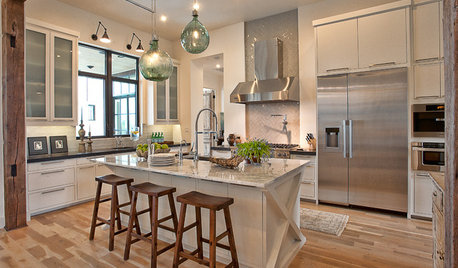
KITCHEN DESIGNEcofriendly Kitchen: How to Choose Flooring
Conserve natural resources and your long-term finances by choosing kitchen flooring materials with durability and beauty
Full Story
trhought
rat423Original Author
Related Professionals
Huntington Landscape Architects & Landscape Designers · Bloomington Landscape Architects & Landscape Designers · Lancaster Landscape Architects & Landscape Designers · Amherstburg Landscape Architects & Landscape Designers · Washington Landscape Contractors · Amherst Landscape Contractors · Utica Landscape Contractors · Albany General Contractors · Southaven General Contractors · Lawrenceburg General Contractors · Dallas General Contractors · Superior General Contractors · Bismarck General Contractors · Jackson General Contractors · Cowansville General Contractorspoolguynj
trhought