

How to test granite for durability?
18 years ago
Sort by:Oldest
Comments (6)
Related Stories
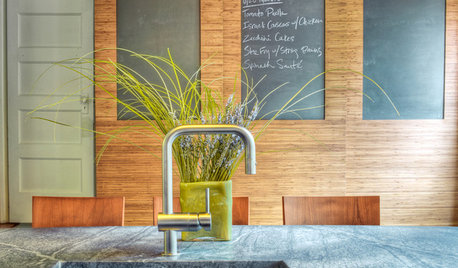
KITCHEN DESIGNKitchen Counters: Durable, Easy-Clean Soapstone
Give bacteria the boot and say sayonara to stains with this long-lasting material that's a great choice for kitchen and bath countertops
Full Story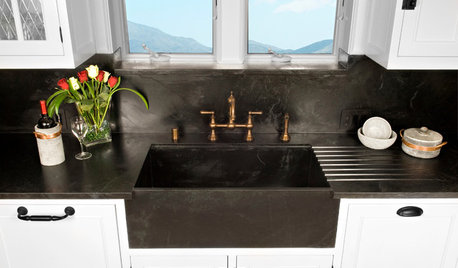
KITCHEN DESIGNKitchen Sinks: Soapstone for Germ-Free Beauty and Durability
Stains and bacteria? Not on soapstone's watch. But this sink material's benefits don't come cheap.
Full Story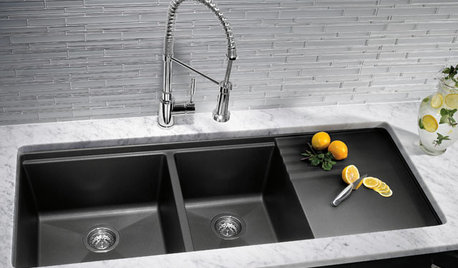
KITCHEN DESIGNKitchen Sinks: Granite Composite Offers Superior Durability
It beats out quartz composite for strength and scratch resistance. Could this kitchen sink material be right for you?
Full Story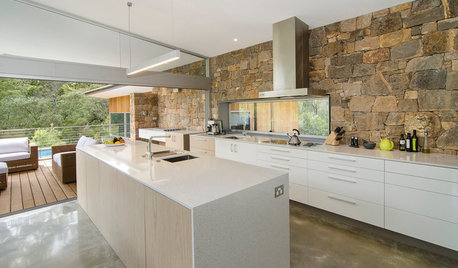
KITCHEN DESIGN11 Outdoor Elements for a Durable Indoor Kitchen
Consider brick, natural stone and other exterior-grade materials and elements for a rough-and-tumble space
Full Story
KITCHEN COUNTERTOPSKitchen Counters: Tile, the Choice for Affordable Durability
DIYers and budget-minded remodelers often look to this countertop material, which can last for decades with the right maintenance
Full Story
KITCHEN DESIGNKitchen Sinks: Enameled Cast Iron for Attractive Durability
Strong, shiny and sustainable, an enameled cast iron sink can bring character to your kitchen
Full Story
FEEL-GOOD HOMEEmbrace a Few Beautifully Weathered Surfaces for a Happy, Durable Home
You don’t need to worry so much about scuff marks and dings when you accept the character and beauty of wear
Full StoryRUSTIC STYLEBrick Floors: Could This Durable Material Work for Your House?
You love the old-world look, but will you like the feel of it underfoot? Learn the pros and cons of interior brick flooring
Full Story
UPHOLSTERYFabric Focus: Make Your Interiors More Durable With Outdoor Fabric
Indoor-outdoor fabric is strong and beautiful, whether in the backyard or the living room
Full Story
KITCHEN COUNTERTOPSKitchen Counters: Quartzite Offers Strength and Beauty
Eye-catching patterns and a natural pedigree make durable quartzite a popular alternative to granite and marble
Full Story

Buehl
alku05
Related Professionals
Pine Bluff Kitchen & Bathroom Designers · Asheville Kitchen & Bathroom Designers · Janesville Kitchen & Bathroom Designers · Liberal Kitchen & Bathroom Designers · Dover Kitchen Remodelers · Evansville Kitchen Remodelers · Salisbury Kitchen Remodelers · Longview Kitchen Remodelers · Spring Kitchen Remodelers · Poughkeepsie Kitchen Remodelers · Mountain Home Custom Countertops · Daytona Beach Custom Countertops · Hattiesburg Custom Countertops · Milwaukee Custom Countertops · Montréal Custom Countertopssue36
sue_ct
grannysmith18
suziecaOriginal Author