

Treating butcher block tops
17 years ago
Sort by:Oldest
Comments (5)
Related Stories
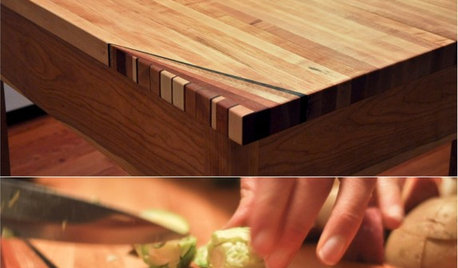
WOODWORKINGHow to Clean and Care for Your Butcher Block
Keep butcher block counters and boards looking sharp as a knife — and sanitized for safe food prep — with this advice from a pro woodworker
Full Story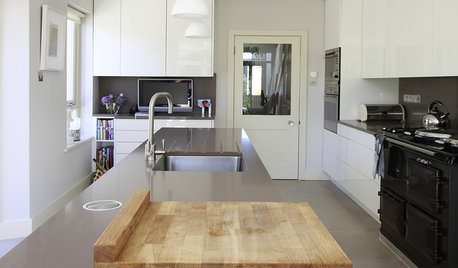
KITCHEN DESIGNButcher Block Makes the Cut for Holiday Kitchen Prep
Countertops and cutting boards will likely take a beating over the holidays. These butcher blocks have the chops to perform under pressure
Full Story
ARCHITECTUREStyle Divide: How to Treat Additions to Old Homes?
One side says re-create the past; the other wants unabashedly modern. Weigh in on additions style here
Full Story
KITCHEN DESIGNNew This Week: 4 Surprising Backsplash and Countertop Pairings
Make your kitchen workspace stand out with colored ceramic tile, back-painted glass, butcher block and more
Full Story
TINY HOUSESAdventure Seekers Hit the Road in a Cozy School Bus Home
Wood floors, butcher block countertops, custom furnishings and LED lights make life on the road feel like just another stylish day at home
Full Story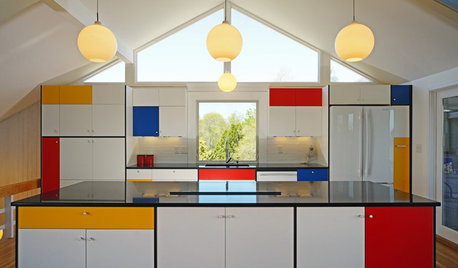
KITCHEN DESIGNKitchen of the Week: Modern Art Inspires a Color-Blocked Look
In a midcentury beach house on Martha’s Vineyard, a redesigned kitchen embraces the look of Mondrian
Full Story
KITCHEN DESIGNReaders' Choice: The Top 20 Kitchens of 2011
Get inspired by the 20 most popular kitchens on Houzz in 2011
Full Story
KITCHEN DESIGNGet Ideas From This Year’s Top 20 Kitchen Tours
Smart storage, functionality for cooks and families, vintage touches and lots of personality mark your favorites of 2015
Full Story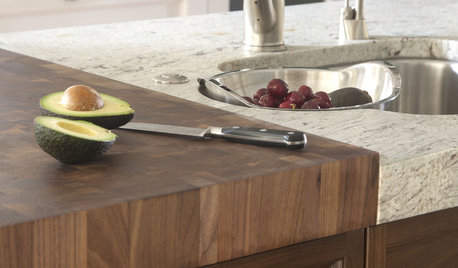
KITCHEN DESIGNKitchen Counters: Try an Integrated Cutting Board for Easy Food Prep
Keep knife marks in their place and make dicing and slicing more convenient with an integrated butcher block or cutting board
Full Story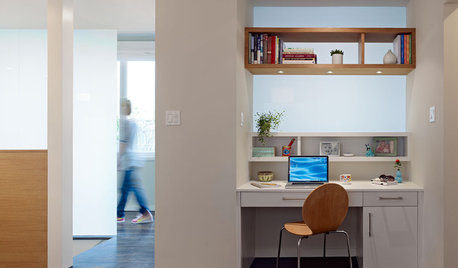
LIFETop 10 Unsung Organizing Tools
Look no farther than your drawers, closets or purse for the best and cheapest ways to keep your home neat and organized
Full Story
reedrune
mfrog
Related Professionals
Wichita Kitchen & Bathroom Designers · Baltimore Kitchen & Bathroom Designers · Frisco Kitchen & Bathroom Designers · Spring Kitchen & Bathroom Designers · Mason City Kitchen & Bathroom Designers · Harrisburg Kitchen & Bathroom Designers · Victorville Kitchen & Bathroom Designers · Hobbs Kitchen & Bathroom Designers · Las Cruces Kitchen & Bathroom Designers · Dothan Kitchen Remodelers · Saint Cloud Kitchen Remodelers · Chico Kitchen Remodelers · Wenatchee Kitchen Remodelers · Bowling Green Custom Countertops · Mission Viejo Custom CountertopsrichpoorOriginal Author
coffeehaus
rosie