

Curing Concrete in Cold Weather
16 years ago
Sort by:Oldest
Comments (6)
Related Stories

LAUNDRY ROOMSThe Cure for Houzz Envy: Laundry Room Touches Anyone Can Do
Make fluffing and folding more enjoyable by borrowing these ideas from beautifully designed laundry rooms
Full Story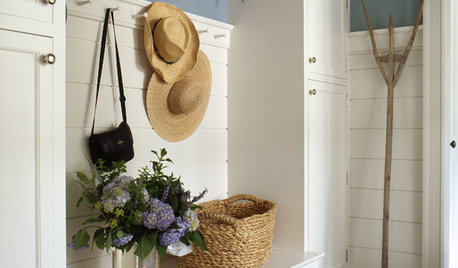
MUDROOMSThe Cure for Houzz Envy: Mudroom Touches Anyone Can Do
Make a utilitarian mudroom snazzier and better organized with these cheap and easy ideas
Full Story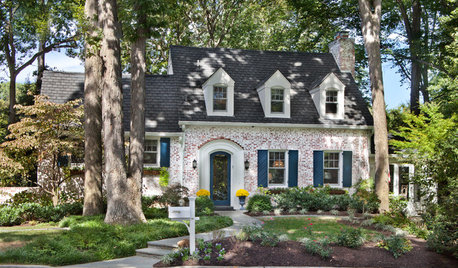
CURB APPEALThe Cure for Houzz Envy: Great Front Facade Touches to Borrow
Pull up to a better view and make visitors feel welcome by perking up your home’s face
Full Story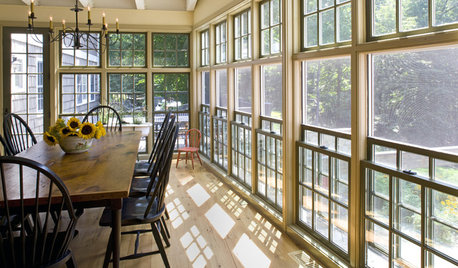
HOUSEKEEPINGLower Your Heating Bills With Some Simple Weather Stripping
Plug the holes in your house this winter to make sure cold air stays where it belongs: outside
Full Story
WINTER GARDENINGExtend Your Growing Season With a Cold Frame in the Garden
If the sun's shining, it might be time to sow seeds under glass to transplant or harvest
Full Story
ARCHITECTURE15 Smart Design Choices for Cold Climates
Keep your home safe and comfortable in winter by choosing the right home features and systems
Full Story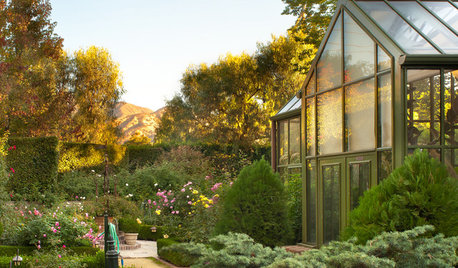
GREENHOUSESGreenhouses Bring Gardens in From the Cold
Get a jump start on summer plantings even if spring chills linger with a greenhouse or cold frames in your backyard
Full Story
GARDENING GUIDES10 Cold-Hardy Succulents for Cool-Season Interest
These attractive plants shrug off colder temperatures, and many can be brought inside in containers in extra-chilly climates
Full Story
LANDSCAPE DESIGNOutdoor Style: Creative Ways With Classic Concrete
Have you cast concrete aside as being too dull or crack-prone? Learn about new design options along with the basics of using it outside
Full Story
KITCHEN DESIGNAmazing Ways with Concrete Countertops
See What Designers Are Doing With This Versatile, Weatherproof Counter Alternative
Full Story
Sponsored
nigelsgarden
macv
Related Professionals
Vincennes Home Remodeling · Hays Home Remodeling · College Station Home Remodeling · Saint Marys Home Remodeling · Phoenix Home Remodeling · Grand Junction Home Remodeling · Savannah Kitchen Remodelers · Branson Kitchen Remodelers · Westerly Kitchen Remodelers · Cape Coral Bathroom Remodelers · Cape Girardeau Bathroom Remodelers · Cookeville Bathroom Remodelers · Dallas Bathroom Remodelers · Green Bay Bathroom Remodelers · Ogden Bathroom Remodelersshw001Original Author
macv
sierraeast
macv