

Regular or 'integrated' backspash behind the sink?
14 years ago
Sort by:Oldest
Comments (7)
Related Stories
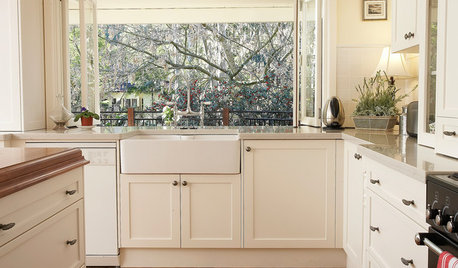
KITCHEN SINKSEverything You Need to Know About Farmhouse Sinks
They’re charming, homey, durable, elegant, functional and nostalgic. Those are just a few of the reasons they’re so popular
Full Story
BATHROOM DESIGNHow to Choose the Right Bathroom Sink
Learn the differences among eight styles of bathroom sinks, and find the perfect one for your space
Full Story
KITCHEN DESIGNKitchen Sinks: Stainless Steel Shines for Affordability and Strength
Look to a stainless steel sink for durability and sleek aesthetics at a budget-minded price
Full Story
KITCHEN DESIGNHow to Choose a Kitchen Sink Size
Bigger isn’t necessarily better. Here’s how to pick the right size sink for your kitchen, needs and budget
Full Story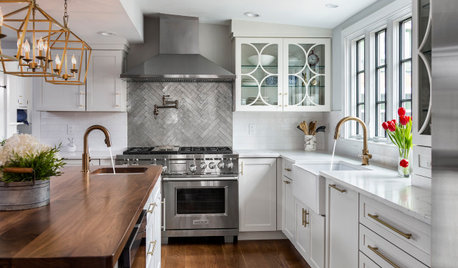
KITCHEN DESIGN8 Ways to Configure Your Kitchen Sink
One sink or two? Single bowl or double? Determine which setup works best for you
Full Story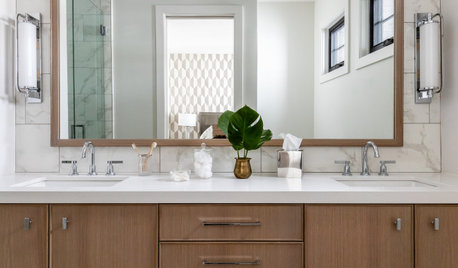
BATHROOM VANITIESShould You Have One Sink or Two in Your Primary Bathroom?
An architect discusses the pros and cons of double vs. solo sinks and offers advice for both
Full Story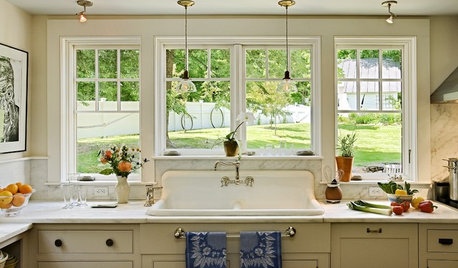
PHOTO FLIP60 Kitchen Sinks With Mesmerizing Views
Check out this parade of views from the kitchen sink and tell us: Which offers the best backdrop for doing the dishes?
Full Story
LIFEYou Said It: ‘The Wrong Sink Can Make You Hate Your Kitchen’
Design advice, inspiration and observations that struck a chord this week
Full Story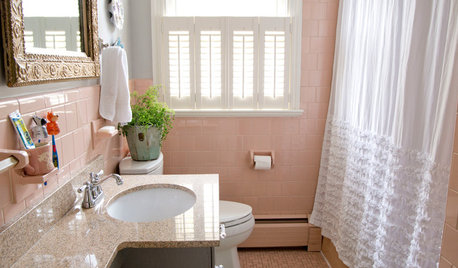
BATHROOM DESIGNHouzz Call: Have a Beautiful Small Bathroom? We Want to See It!
Corner sinks, floating vanities and tiny shelves — show us how you’ve made the most of a compact bathroom
Full Story
KITCHEN DESIGNStandouts From the 2014 Kitchen & Bath Industry Show
Check out the latest and greatest in sinks, ovens, countertop materials and more
Full Story
marcydc
eleenaOriginal Author
Related Professionals
Huntsville Kitchen & Bathroom Designers · Lake Charles Kitchen & Bathroom Designers · Fayetteville Kitchen & Bathroom Designers · Dubuque Kitchen & Bathroom Designers · Victorville Kitchen & Bathroom Designers · Spanish Fork Kitchen & Bathroom Designers · Asheville Kitchen Remodelers · Youngstown Kitchen Remodelers · Yuba City Kitchen Remodelers · Odessa Kitchen Remodelers · Salt Lake City Kitchen Remodelers · Toronto Kitchen Remodelers · Brunswick Custom Countertops · Albert Lea Custom Countertops · Lubbock Custom Countertopsucgal
eleenaOriginal Author
nini804
eleenaOriginal Author
oasisowner