

Flash windows with no sheathing?
17 years ago
Sort by:Oldest
Comments (10)
Related Stories
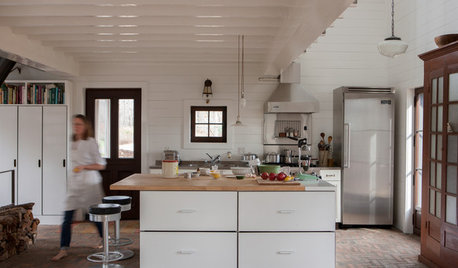
HOUZZ TOURSMy Houzz: Flashes of Industrial Style in a Modern-Rustic Dream Home
In this picture-perfect getaway, you can sleep under the stars without leaving your bed — and heated brick floors keep toes warm
Full Story
HOME OFFICESOrganize Photos in a Flash
You post them, email them, maybe even print them out. But if your digital and printed photos are all lumped together, it's time to organize
Full Story
DECORATING GUIDES14 Flashes of Design Brilliance With Everyday Items
These ordinary home details turned on their head will open your eyes to a new side of the decorating world
Full Story
COFFEE WITH AN ARCHITECTFlash Cards for Common Architectural Terms
Architect takes a stab at the language of design
Full Story
WINDOWSContractor Tips: How to Choose and Install Windows
5 factors to consider when picking and placing windows throughout your home
Full Story
Replace Your Windows and Save Money — a How-to Guide
Reduce drafts to lower heating bills by swapping out old panes for new, in this DIY project for handy homeowners
Full Story
BATHROOM DESIGNLight-Up Mirrors Offer Bright Design Solutions
If you're taking a dim view of a problem bathroom area, try the flash of design brilliance that is the electric mirror
Full Story
WINDOWSWindow Valances for Every Style
Save a Little Cash, Add a Bit of Flair by Dressing Just the Top of Your Windows
Full Story
ECLECTIC HOMESHouzz Tour: Rebooting a 1930s Bungalow in 3 Days
A design team mixes old and new to upgrade a computer science teacher's home in a flash
Full Story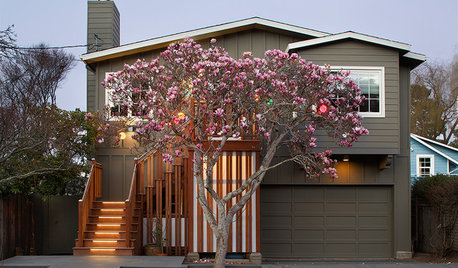
CURB APPEALA New Stepped Entry Glows With Style
Rotting stairs and leaky windows lead to an inviting new facade that welcomes with light
Full Story
alphonse
brickeyee
Related Professionals
Pensacola Home Remodeling · Gaithersburg Home Remodeling · Cherry Hill Home Remodeling · New Braunfels Home Remodeling · Portland Home Remodeling · Lake City Kitchen Remodelers · Clarksville Kitchen Remodelers · Georgetown Kitchen Remodelers · Enfield Kitchen Remodelers · Rockford Kitchen Remodelers · Leominster Kitchen Remodelers · Winona Kitchen Remodelers · Hays Bathroom Remodelers · Topeka Bathroom Remodelers · Charlottesville Bathroom Remodelersalphonse
brickeyee
fusion866
alphonse
brickeyee
alphonse
brickeyee
brickeyee