

Another question for solarpowered
18 years ago
Sort by:Oldest
Comments (7)
Related Stories

ARCHITECTUREArchitect's Toolbox: Solar-Powered Design
See how your home's design can take advantage of the sun's natural energy all year
Full Story
REMODELING GUIDES9 Hard Questions to Ask When Shopping for Stone
Learn all about stone sizes, cracks, color issues and more so problems don't chip away at your design happiness later
Full Story
ORGANIZINGPre-Storage Checklist: 10 Questions to Ask Yourself Before You Store
Wait, stop. Do you really need to keep that item you’re about to put into storage?
Full Story
KITCHEN DESIGN9 Questions to Ask When Planning a Kitchen Pantry
Avoid blunders and get the storage space and layout you need by asking these questions before you begin
Full Story
SELLING YOUR HOUSE15 Questions to Ask When Interviewing a Real Estate Agent
Here’s what you should find out before selecting an agent to sell your home
Full Story
REMODELING GUIDES13 Essential Questions to Ask Yourself Before Tackling a Renovation
No one knows you better than yourself, so to get the remodel you truly want, consider these questions first
Full Story
WORKING WITH PROS12 Questions Your Interior Designer Should Ask You
The best decorators aren’t dictators — and they’re not mind readers either. To understand your tastes, they need this essential info
Full Story
REMODELING GUIDESConsidering a Fixer-Upper? 15 Questions to Ask First
Learn about the hidden costs and treasures of older homes to avoid budget surprises and accidentally tossing valuable features
Full Story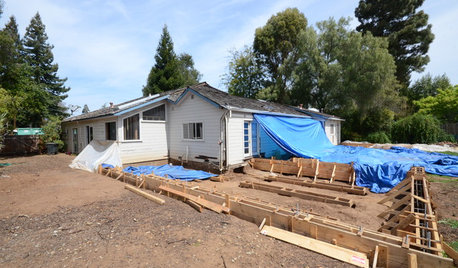
REMODELING GUIDESSurvive Your Home Remodel: 11 Must-Ask Questions
Plan ahead to keep minor hassles from turning into major headaches during an extensive renovation
Full Story
DOORS5 Questions to Ask Before Installing a Barn Door
Find out whether that barn door you love is the right solution for your space
Full Story
solarpowered
solarpowered
Related Professionals
Washington Kitchen & Bathroom Designers · Terre Haute Kitchen & Bathroom Designers · Williamsport Kitchen & Bathroom Designers · Carlsbad Kitchen & Bathroom Designers · Sarasota Kitchen Remodelers · Morgan City Kitchen Remodelers · California Kitchen Remodelers · Roanoke Kitchen Remodelers · Charleston Kitchen Remodelers · Calgary Kitchen Remodelers · Madison Custom Countertops · Terre Haute Custom Countertops · Killeen Custom Countertops · Huntington Custom Countertops · Platteville Custom Countertopssolarpowered
solarpowered
maydlOriginal Author
mungo
maydlOriginal Author