

Quartz for worktable top?
14 years ago
Sort by:Oldest
Comments (5)

Related Stories
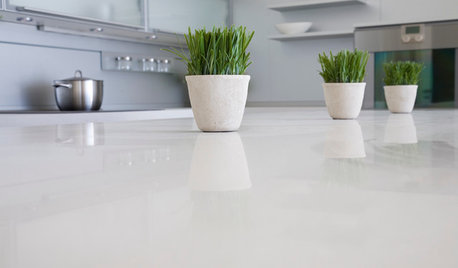
KITCHEN DESIGNKitchen Counters: Stunning, Easy-Care Engineered Quartz
There's a lot to like about this durable blend of quartz and resin for kitchen countertops, and the downsides are minimal
Full Story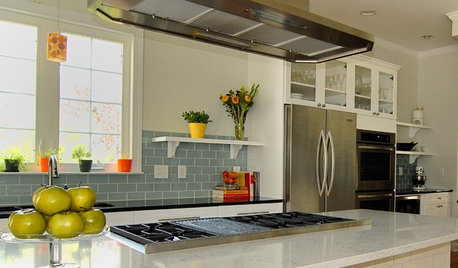
KITCHEN DESIGNGet Quartz and Porcelain Surfaces Super Clean
These cleaning tips for quartz, travertine, porcelain and engineered stone will help keep your countertops and sinks looking spotless
Full Story
DECORATING GUIDESAdd Gorgeous Sparkle With Rock Quartz Crystal
Natural, abundant and full of character, rock crystal offers a solid statement for your home
Full Story
BATHROOM DESIGNBathroom Countertops 101: The Top Surface Materials
Explore the pros and cons of 7 popular bathroom countertop materials
Full Story
KITCHEN COUNTERTOPS10 Top Backsplashes to Pair With Soapstone Countertops
Simplify your decision-making process by checking out how these styles work with soapstone
Full Story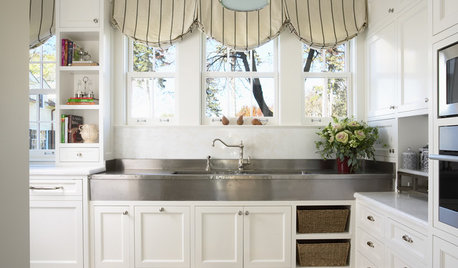
KITCHEN DESIGN8 Top Hardware Styles for Shaker Kitchen Cabinets
Simple Shaker style opens itself to a wide range of knobs and pulls. See which is right for your own kitchen
Full Story
BATHROOM DESIGN10 Top Tips for Getting Bathroom Tile Right
Good planning is essential for bathroom tile that's set properly and works with the rest of your renovation. These tips help you do it right
Full Story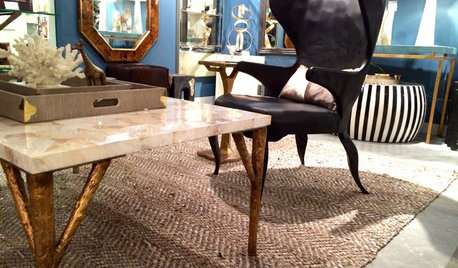
DECORATING GUIDESTop Design Trends From the Winter 2015 Las Vegas Market
Interior designer Shannon Ggem is tracking finishes, motifs and design combinations at the 2015 show
Full Story
POOLSPlaster Tops Popularity List for Pool Finishes
Classic white or dyed to suit a mood, plaster is the most common and affordable finish for pools today
Full Story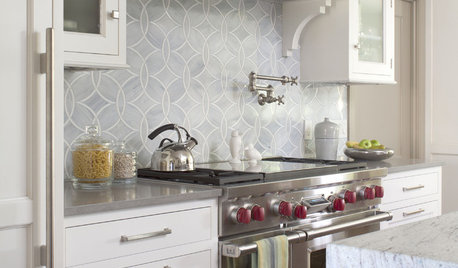
KITCHEN DESIGN8 Top Tile Types for Your Kitchen Backsplash
Backsplash designs don't have to be set in stone; glass, mirror and mosaic tiles can create kitchen beauty in a range of styles
Full Story
adel97
User
Related Professionals
Bowling Green Kitchen & Bathroom Designers · Harrisonburg Kitchen & Bathroom Designers · Butte Kitchen & Bathroom Designers · La Grande Kitchen & Bathroom Designers · Hopkinsville Kitchen Remodelers · Portsmouth Kitchen Remodelers · London Kitchen Remodelers · Oklahoma City Custom Countertops · Worcester Custom Countertops · Watertown Custom Countertops · Milwaukee Custom Countertops · Bridgeport Custom Countertops · Kennewick Custom Countertops · Pullman Custom Countertops · Amherstburg Custom Countertopsellabee_2016Original Author
colletteone
ellabee_2016Original Author