

Help - studs holding lath are rotted!
19 years ago
Sort by:Oldest
Comments (5)
Related Stories

DECORATING GUIDESQuick Fix: Find Wall Studs Without an Expensive Stud Finder
See how to find hidden wall studs with this ridiculously easy trick
Full Story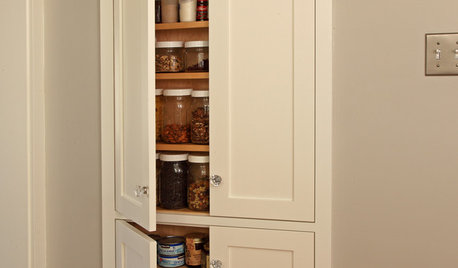
STORAGETap Into Stud Space for More Wall Storage
It’s recess time. Look to hidden wall space to build a nook that’s both practical and appealing to the eye
Full Story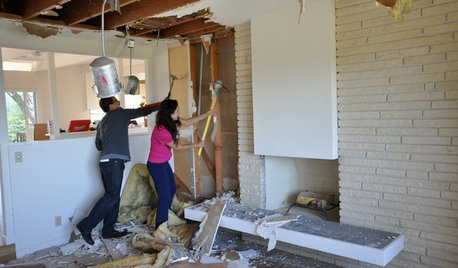
REMODELING GUIDESWisdom to Help Your Relationship Survive a Remodel
Spend less time patching up partnerships and more time spackling and sanding with this insight from a Houzz remodeling survey
Full Story
KITCHEN CABINETS9 Ways to Save Money on Kitchen Cabinets
Hold on to more dough without sacrificing style with these cost-saving tips
Full Story
BEFORE AND AFTERSSee a DIY Powder Room Transformation for $1,100
Determination, DIY skill and a stunning tile feature wall helped make this formerly dark and gloomy powder room feel spacious
Full Story
GREEN BUILDINGHouzz Tour: See a Concrete House With a $0 Energy Bill
Passive House principles and universal design elements result in a home that’ll work efficiently for the long haul
Full Story
KITCHEN DESIGNKitchen of the Week: High Function and a Little Secret in Missouri
There’s plenty of room for cooking and a hidden feature too in this flexible, family-friendly kitchen
Full Story
HOUZZ TOURSHouzz Tour: A Ranch House Is Reborn in a Los Angeles Canyon
Can you get back to nature in the heart of an urban mecca? This family — and their horses, dogs and chickens — did just that
Full Story
REMODELING GUIDESHow to Remodel a Bathroom
Create a vision, make a budget, hire the right pros, choose your style and materials, and get the bathroom you want
Full Story
DOORSDiscover the Ins and Outs of Pocket Doors
Get both sides of the pocket door story to figure out if it's the right space separator for your house
Full Story



diygene
texasredhead
Related Professionals
New Orleans Home Remodeling · Charlotte Home Remodeling · Scranton Home Remodeling · Decatur General Contractors · College Station General Contractors · Flint General Contractors · San Luis Obispo General Contractors · Vincennes Bathroom Remodelers · Dayton Bathroom Remodelers · Springfield Bathroom Remodelers · Lewiston Bathroom Remodelers · Manchester Bathroom Remodelers · Olean Bathroom Remodelers · Spanish Fork Bathroom Remodelers · Sheridan Bathroom Remodelersdiygene
rjoh878646
pjb999