

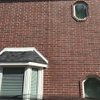
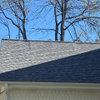
Roof flexing
20 years ago
Sort by:Oldest
Comments (4)
Related Stories
CONTEMPORARY HOMESHouzz Tour: Gaining Space and Options With a Flex Room
See how a new entryway bonus room increases dining and entertaining possibilities, and improves this California home’s flow
Full Story
HOUZZ TOURSHouzz Tour: Flexing New Design Muscles on a Vermont Lake
A budding architect gets to build the home of her choice in an idyllic setting — and live there too
Full Story
HOUZZ TOURSHouzz Tour: Artful and Efficient in Austin
Visit a home that glows with local materials, thoughtful design, heritage trees and Moontowers
Full Story
HOMES AROUND THE WORLDMy Houzz: Small-Space Living on a Barge Awash With Smart Ideas
This newly built barge moored on London’s Regent’s Canal brims with clever designs and luxe touches, proving small can be very beautiful
Full Story
TRANSITIONAL HOMESHouzz Tour: 3-Story Design Extends a Bungalow’s Living Space
A couple stays within an approved footprint and gets more room by adding a basement and a loft to a new home’s design
Full Story
ARCHITECTURERoots of Style: Spanish Eclectic Homes Find a Place in the Sun
Flexible stucco, intricate tiles and more have kept this multicultural style going strong for a century
Full Story
THE ART OF ARCHITECTUREThe Architects Who Asked ‘What If?’
In designing their own homes, these Australian architects turned self-imposed limits into creative discoveries
Full Story
MORE ROOMSMore Living Space: Converting a Garage
5 things to consider when creating new living space in the garage
Full Story
ARCHITECTURERoots of Style: The Segmental Vault Home
Distinctive and proud, these houses may be more common than you might first realize
Full Story
PETSDoghouses Worth a Wag: Report From Barkitecture 2011
Annual fundraiser sniffs out the best — and quirkiest — in Austin doghouse design
Full Story
brickeyee
fqp25
Related Professionals
Elkton Home Remodeling · Springfield Home Remodeling · Chillicothe Home Remodeling · Middletown Home Remodeling · Scranton Home Remodeling · Anchorage Home Remodeling · Augusta General Contractors · Great Bend General Contractors · Alexandria General Contractors · Saginaw General Contractors · Traverse City General Contractors · Fargo General Contractors · Yuba City General Contractors · Gillette General Contractors · Hagerstown Bathroom RemodelersmtlockmanOriginal Author
fqp25