

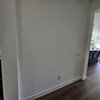
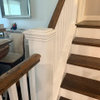
squaring up old wood
19 years ago
Sort by:Oldest
Comments (8)
Related Stories
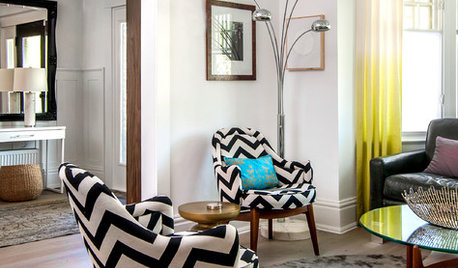
HOUZZ TOURSHouzz Tour: Mixing It Up in a Century-Old Edwardian
Different eras, patterns and textures mingle beautifully in a Canadian interior designer's home and 'design lab'
Full Story
HOUZZ TOURSMy Houzz: Bold Wallpaper Kicks Up a Century-Old Craftsman
Design risks pay off in a Seattle bungalow that combines fearless patterns with subtler colors and a sophisticated practicality
Full Story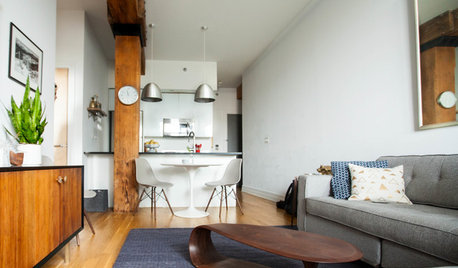
SMALL HOMESMy Houzz: Clean, Modern Style for a 615-Square-Foot Brooklyn Apartment
Wood tones, houseplants and comfortable furniture warm up this couple’s urban home
Full Story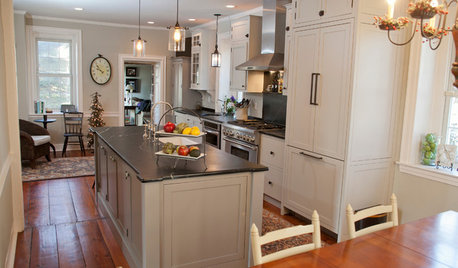
KITCHEN DESIGNNew and Old Mix It Up in a Historic Farmhouse Kitchen
A couple rethink the kitchen in their Pennsylvania farmhouse to restore authenticity while also creating a space for modern living
Full Story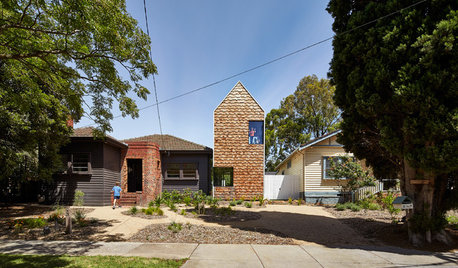
MOST POPULARHouzz Tour: A Playful Home Drawn Up by 8-Year-Old Twins
Plans for this innovative tower home in Melbourne were going nowhere — until the homeowners’ twins came to the rescue
Full Story
LOFTSMy Houzz: Ronnie Wood’s Old Art Studio Gets a Makeover
Check out this contemporary update of a former factory flat that survived World War II bombs and use by a member of The Rolling Stones
Full Story
LANDSCAPE DESIGNCreate a Landscape That Really Squares Up
See all the ways squares can be the building blocks of eye-catching garden design
Full Story
SMALL KITCHENSThe 100-Square-Foot Kitchen: Less Storage, More Cool
A friend’s sign, a demolished deck and pulled-up tile leave their marks on this hip U-shape in Texas
Full Story
DECORATING GUIDESWarm Up to Wood for an Eye-Catching Wall
Give an accent wall appealing warmth and depth with wood, whether you go down-home rustic or upscale chic
Full Story
FURNITUREColor Glams Up the Old-Fashioned Secretary
Before you write off a vintage secretary desk as ho-hum, give it a colorful new note
Full Story


brickeyee
Jon1270
Related Professionals
Lufkin Cabinets & Cabinetry · El Paso Cabinets & Cabinetry · Hagerstown Carpenters · Kansas City Carpenters · Lancaster Carpenters · Vancouver Carpenters · St. Louis Flooring Contractors · Virginia Beach Flooring Contractors · Middletown Flooring Contractors · Fort Dodge Flooring Contractors · Portland Flooring Contractors · Middletown Flooring Contractors · Santa Fe Flooring Contractors · Portland Flooring Contractors · Provo Flooring Contractorsrussmahogany
chiefneil
bob_am
ron6519
russmahogany
sombreuil_mongrel