

Tile is up - now what?!?
14 years ago
Sort by:Oldest
Comments (9)
Related Stories
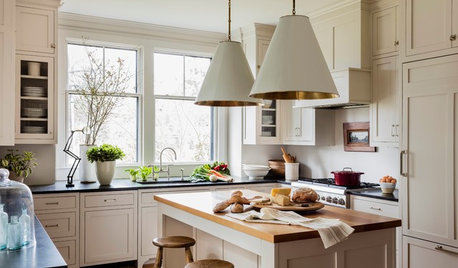
KITCHEN DESIGNTrending Now: 10 Ideas From Popular New Kitchens on Houzz
Contrasting cabinets, oversize pendants and custom range hoods turn up the heat in these ideabook-worthy kitchens
Full Story
HOUSEKEEPINGAll Together Now: Tackle Home Projects With a DIY Co-op
You're in good company when you pair up with a pal to clean, organize, repair and replace
Full Story
HOUSEKEEPING10 Things to Do Now for an Easier, Happier Summer
Set up your home for easy cleaning and cooking, and get ready for those trips to the beach
Full Story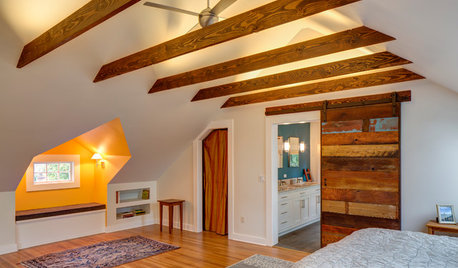
REMODELING GUIDESRoom of the Day: Storage Attic Now an Uplifting Master Suite
Tired of sharing a bathroom with their 2 teenage kids, this couple moves on up to a former attic space
Full Story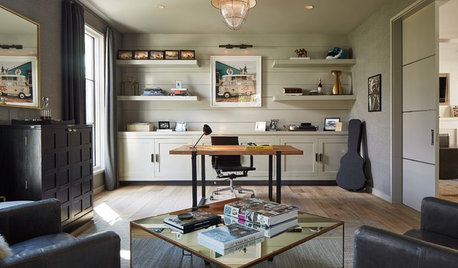
HOME OFFICESTrending Now: 5 Ways to Make a Home Office Work for You
Recent popular photos on Houzz offer ideas for setting up your space for creativity, productivity and more
Full Story
ENTERTAININGTrending Now: 10 Ideas From the Most Popular New Home Bars
Pull up a stool and get inspired by this collection of home bars with sublime style and clever storage
Full Story
MATERIALSShape Up Your Surfaces With New Tile Textures and Forms
Take your walls and floors to a different dimension with innovative sculptural tiles, as shown at the 2013 Coverings expo
Full Story

SHOP HOUZZShop Houzz: Up to 50% Off Tile in Every Hue
Make over your bath with new floor and wall tile on sale
Full Story0
KITCHEN DESIGNSubway Tile Picks Up Gray Grout
Heading into darker territory, subway tile offers a graphic new look for kitchens, bathrooms and more
Full Story
suzanne_sl
angie_diy
Related Professionals
Huntington Kitchen & Bathroom Designers · Gaithersburg Kitchen Remodelers · Gulfport Kitchen Remodelers · Tulsa Kitchen Remodelers · Fall River Kitchen Remodelers · Lima Kitchen Remodelers · Bronx Kitchen Remodelers · Dothan Custom Countertops · Montgomery Custom Countertops · Albany Custom Countertops · Louisville Custom Countertops · Fort Worth Custom Countertops · Newark Custom Countertops · Toledo Custom Countertops · Sheboygan Custom Countertopsangie_diy
palimpsest
suzanne_sl
mjsee
pqsmomOriginal Author
hags00
angie_diy