

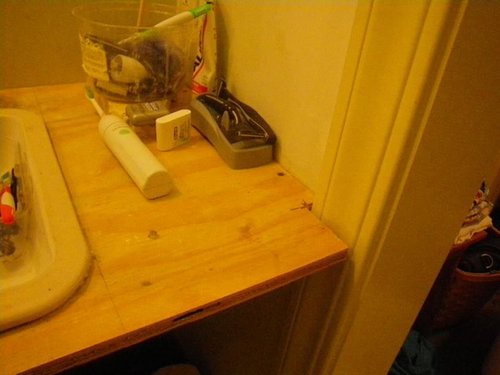
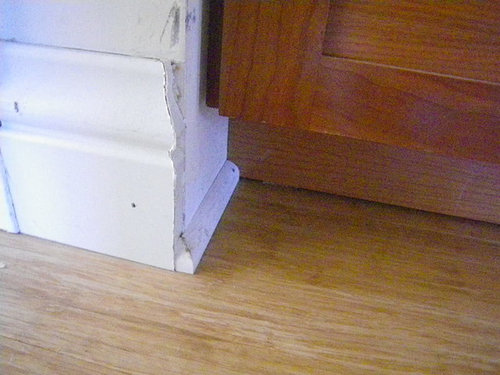
Please show me your cabinet-molding interface....
14 years ago
Sort by:Oldest
Comments (4)
Related Stories


SUMMER GARDENINGHouzz Call: Please Show Us Your Summer Garden!
Share pictures of your home and yard this summer — we’d love to feature them in an upcoming story
Full Story
OUTDOOR KITCHENSHouzz Call: Please Show Us Your Grill Setup
Gas or charcoal? Front and center or out of the way? We want to see how you barbecue at home
Full Story
DECORATING GUIDES10 Look-at-Me Ways to Show Off Your Collectibles
Give your prized objects center stage with a dramatic whole-wall display or a creative shelf arrangement
Full Story
Houzz Call: Show Us Your Paint Makeovers
Let your newly repainted house or room do the "How d'ya like me now?" strut right here — it might just be featured in an upcoming ideabook
Full Story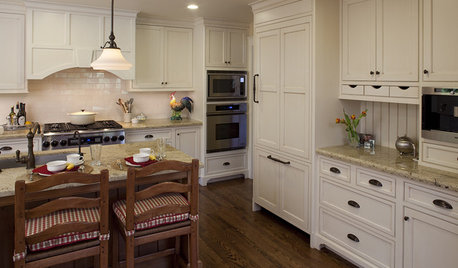
KITCHEN DESIGN9 Molding Types to Raise the Bar on Your Kitchen Cabinetry
Customize your kitchen cabinets the affordable way with crown, edge or other kinds of molding
Full Story
REMODELING GUIDESCrown Molding: Is It Right for Your Home?
See how to find the right trim for the height of your ceilings and style of your room
Full Story
KITCHEN DESIGNKitchen of the Week: Pushing Boundaries in a San Francisco Victorian
If the roll-up garage door doesn’t clue you in, the blue cabinets and oversize molding will: This kitchen is no ordinary Victorian galley
Full Story
DECORATING GUIDESArchitectural Details Make All the Difference
Are you missing an opportunity to enhance your home with brackets, cabinet feet and moldings?
Full Story

jakuvall
aliris19Original Author
Related Professionals
Elizabethtown Kitchen & Bathroom Designers · Petersburg Kitchen & Bathroom Designers · Akron Kitchen & Bathroom Designers · Ontario Kitchen & Bathroom Designers · Lexington Kitchen Remodelers · Raleigh Kitchen Remodelers · Victoria Kitchen Remodelers · Dothan Custom Countertops · Bartlesville Custom Countertops · Clarksville Custom Countertops · Fort Dodge Custom Countertops · Jamestown Custom Countertops · Modesto Custom Countertops · Stockton Custom Countertops · Mesquite Custom Countertopsjakuvall
sombreuil_mongrel