

Off-White vs. Bone?
15 years ago
Sort by:Oldest
Comments (7)

Related Stories
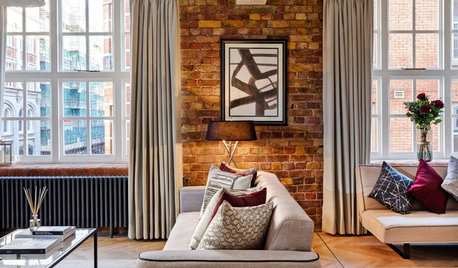
MATERIALSShow Off the Bones of Your Home With Exposed Finishes
There can be beauty in raw materials. Display them with care, and the effect is surprisingly warm and welcoming
Full Story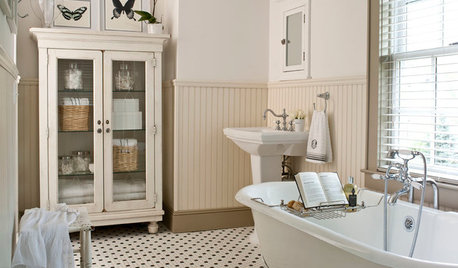
MOST POPULARMust-Try Color Combo: White With Warm Off-White
Avoid going too traditional and too clean by introducing an off-white palette that brings a touch of warmth and elegance
Full Story
COLORColor of the Year: Off-White Is On Trend for 2016
See why four paint brands have chosen a shade of white as their hot hue for the new year
Full Story
DECORATING GUIDESGet Halloween-Ready with Bone-Chilling Decor
Halloween decorating: Add eerie photos, unnerving props, and turn out the lights!
Full Story
PRODUCT PICKSGuest Picks: Design With Your Funny Bone in Mind
20 picks to help you show off the best quirks in your personality
Full Story0
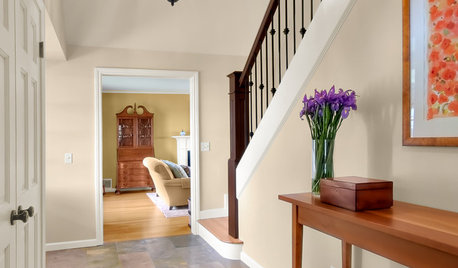
MORE ROOMSWarm Up Your Rooms With a Beautiful Off-White Paint
White paints warmed with a hint of color create radiant backdrops for countless interior design options
Full Story
HOUZZ TOURSMy Houzz: Hard Work Pays Off in a DIY Cottage Renovation
First-time homeowners roll up their sleeves and give their midcentury Montreal home an infusion of style and personality
Full Story
SHOP HOUZZShop Houzz: Up to 75% Off a Chic Gray and White Bath
Create a refreshingly muted bathroom retreat
Full Story
SHOP HOUZZShop Houzz: Up to 70% Off a Modern All-White Bathroom
Create a modern white bathroom for a chic minimalist approach
Full Story0

SHOP HOUZZShop Houzz: Up to 65% Off Black and White Furnishings
Chic high-contrast housewares, decor and furniture on sale
Full Story
plllog
blfenton
Related Professionals
Valdosta Kitchen & Bathroom Designers · Great Bend Kitchen & Bathroom Designers · Alpena Kitchen & Bathroom Designers · Durango Kitchen & Bathroom Designers · Cornwall Kitchen & Bathroom Designers · Victoria Kitchen & Bathroom Designers · Baltimore Kitchen Remodelers · Southaven Custom Countertops · Corpus Christi Custom Countertops · Martinsburg Custom Countertops · Traverse City Custom Countertops · Worthington Custom Countertops · Brooklyn Custom Countertops · New York City Custom Countertops · Albuquerque Custom Countertopsfrancoise47
sombreuil_mongrel
bethohio3
plllog
plllog