

Tomatoes and coffee grinds
11 years ago
Sort by:Oldest
Comments (3)
Related Stories
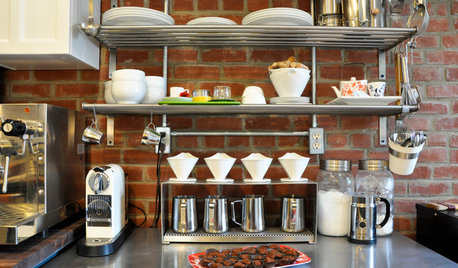
SHOP HOUZZShop Houzz: Create a Kitchen Coffee Corner
Create a coffee bar with a cart, an espresso maker, mugs and more for the perfect at-home caffeine kick
Full Story0
SHOP HOUZZHouzz Products: Set Up Your Dream Coffee Station
Wouldn’t it be nice to have your own café that never closes? With these tools and accessories from the Houzz Products section, you can
Full Story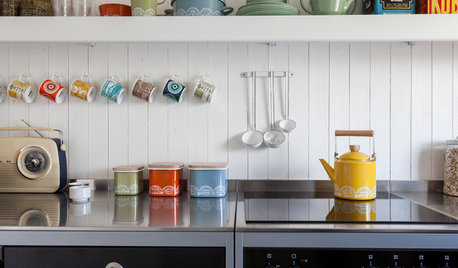
LIFEHow Do You Make Your Tea and Coffee in the Morning?
A morning cup is a must for many, and preparation comes in many guises. We look at coffee and tea habits across the Houzz community
Full StoryKITCHEN DESIGNSimple Pleasures: Wake Up and Smell the Coffee
Slugging down any old sludge while pulling on socks is no way to start the day. Learn to brew amazing java and savor the experience here
Full Story
PRODUCT PICKSGuest Picks: Perk Up Your Coffee Bar the Midcentury Mod Way
These marvelous cream and sugar sets, trays and other accessories will make your coffee station the best part of waking up
Full Story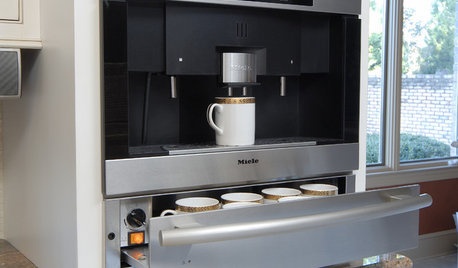
KITCHEN DESIGNWake Up Your Kitchen With a Deluxe Coffee Center
Get all the ingredients for the perfect morning jump-start with a station dedicated to your cup of joe
Full Story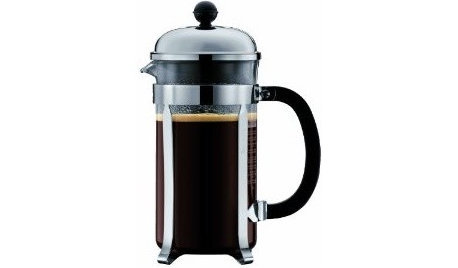
PRODUCT PICKSGuest Picks: Coffee Service
Upgrade your morning ritual with accessories to help make the perfect brew
Full Story
KITCHEN DESIGN12 Breakfast Bars With Coffee Shop Appeal
Give even a small kitchen a sociable vibe by inserting a stylish seating post
Full Story
SIMPLE PLEASURES20 Ways to Make the Most of a Staycation
Give the daily grind the day off by hiding your work stuff, treating yourself and enjoying the outdoors
Full Story
FARM YOUR YARD6 Things to Know Before You Start Growing Your Own Food
It takes time and practice, but growing edibles in the suburbs or city is possible with smart prep and patience
Full Story
Sponsored


seysonn
digdirt2
Related Professionals
Anderson Landscape Architects & Landscape Designers · Canton Landscape Architects & Landscape Designers · Dover Landscape Contractors · St. Louis Landscape Contractors · Twin Falls Landscape Contractors · Kennewick Landscape Contractors · Panama City General Contractors · Georgetown General Contractors · Charleston General Contractors · Peoria General Contractors · Bemidji General Contractors · Erie General Contractors · El Paso General Contractors · Provo General Contractors · Vancouver General Contractorsdaninthedirt (USDA 9a, HZ9, CentTX, Sunset z30, Cfa)