

Vent A Hood CFMs
11 years ago
Sort by:Oldest
Comments (2)

Related Stories
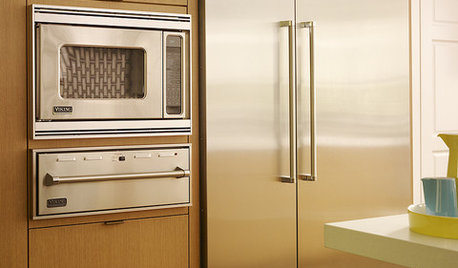
KITCHEN DESIGNA Cook’s 6 Tips for Buying Kitchen Appliances
An avid home chef answers tricky questions about choosing the right oven, stovetop, vent hood and more
Full Story
KITCHEN DESIGNHow to Choose the Right Hood Fan for Your Kitchen
Keep your kitchen clean and your home's air fresh by understanding all the options for ventilating via a hood fan
Full Story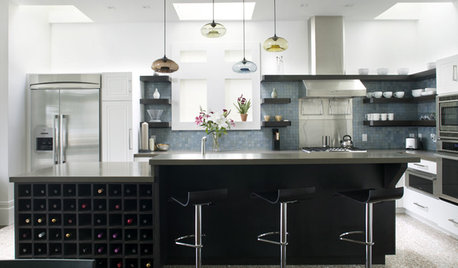
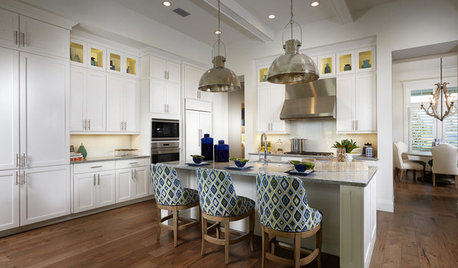
SHOP HOUZZShop Houzz: Large Kitchen Appliance Sale
Save up to 25% on modern ovens, ranges, cooktops, hoods, vents and more
Full Story0
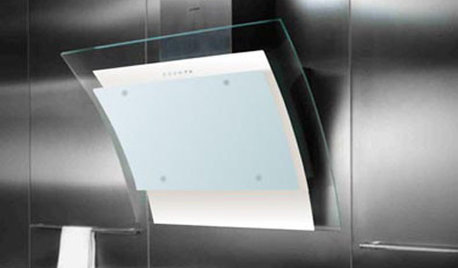
5 Stunning Modern Range Hoods
Today's kitchen range hoods can look like sleek sculptures. Here's what to look for when you go shopping for one
Full Story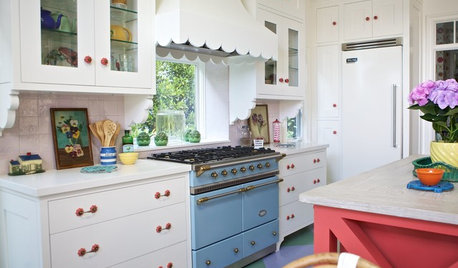
KITCHEN APPLIANCESThe Many Ways to Get Creative With Kitchen Hoods
Distinctive hood designs — in reclaimed barn wood, zinc, copper and more — are transforming the look of kitchens
Full Story
KITCHEN DESIGNWhat to Know When Choosing a Range Hood
Find out the types of kitchen range hoods available and the options for customized units
Full Story
KITCHEN APPLIANCESWhat to Consider When Adding a Range Hood
Get to know the types, styles and why you may want to skip a hood altogether
Full Story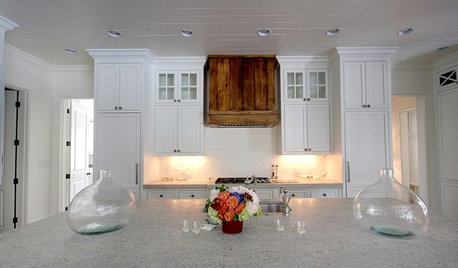
KITCHEN DESIGNWood Range Hoods Naturally Fit Kitchen Style
Bring warmth and beauty into the heart of your home with a range hood crafted from nature's bounty
Full Story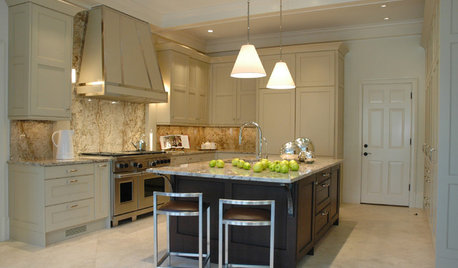
KITCHEN DESIGN8 Industrial-Luxe Kitchen Hood Styles
Make a Statement with Show-Stopping Metal Range Hoods
Full Story
practigal
kaseki
Related Professionals
Temecula Kitchen & Bathroom Designers · Liberal Kitchen & Bathroom Designers · Las Cruces Kitchen & Bathroom Designers · Victoria Kitchen & Bathroom Designers · Galveston Bathroom Remodelers · Roanoke Bathroom Remodelers · Augusta Bathroom Remodelers · Providence Bathroom Remodelers · Eau Claire Bathroom Remodelers · Platteville Bathroom Remodelers · Queens Bathroom Remodelers · Kissimmee Kitchen Remodelers · Elizabethtown Kitchen Remodelers · Danbury Kitchen Remodelers · Leamington Kitchen Remodelers