

Plants with deficiencies
11 years ago
Sort by:Oldest
Comments (8)

Related Stories
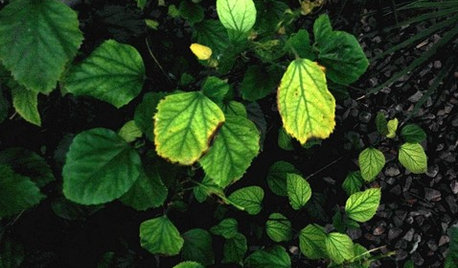
GARDENING GUIDESWhat's Wrong With My Plant? Leaves Often Hold the Clues
Learn how to identify common plant ailments by reading their leaves
Full Story
EDIBLE GARDENSGarden BFFs? Why Your Vegetables Are Begging for Companion Plants
Foster friendships among plants for protection from pests, pollination support and color camaraderie
Full Story
GARDENING GUIDESMake Sure You Read This Before Buying New Plants
Follow these 10 plant-selection tips to avoid buyer’s remorse
Full Story
FRONT YARD IDEAS10 Ideas for a Front-Yard Edible Garden Your Neighbors Will Love
Choosing attractive, well-mannered plants and sharing the bounty will go a long way toward keeping the peace
Full Story
MOST POPULARHow to Start a Cool-Season Vegetable Garden
Late summer and late winter are good times to plan and plant cool-season crops like salad greens, spinach, beets, carrots and peas
Full Story
PETS6 Ways to Help Your Dog and Landscape Play Nicely Together
Keep your prized plantings intact and your dog happy too, with this wisdom from an expert gardener and dog guardian
Full Story
CALIFORNIA GARDENINGCalifornia Gardener's February Checklist
Celebrate 5 California classics: plants that defy winter with bright flowers, luscious fragrance and, for some, delicious taste
Full Story
GARDENING GUIDESPacific Northwest Gardener: What to Do in June
Now's the time to prune pines and vines, prevent pests and buy June-blooming plants to keep your garden healthy and beautiful
Full Story
GARDENING GUIDESNorthern California Gardener's October Checklist
It's still a great time to plant flowers, vegetables and even bulbs in California gardens this month, thanks to predictably mild weather
Full Story
GARDENING GUIDESSouthwest Gardener's August Checklist
Manage monsoon effects, remember to fertilize and don't let the heat deter you from planting for fall
Full Story
NHBabs z4b-5a NH
chris_p1Original Author
Related Professionals
Florence Landscape Architects & Landscape Designers · Atlantic City Landscape Architects & Landscape Designers · Youngstown Landscape Architects & Landscape Designers · Kenosha Landscape Architects & Landscape Designers · Merced Landscape Architects & Landscape Designers · Colorado Springs Landscape Architects & Landscape Designers · Reno Landscape Architects & Landscape Designers · Hilo Landscape Architects & Landscape Designers · Baton Rouge Landscape Contractors · Greensboro Landscape Contractors · Monroe Landscape Contractors · Mesquite Landscape Contractors · Amherstburg Landscape Contractors · Platteville Architects & Building Designers · Las Vegas Architects & Building DesignersUser
chris_p1Original Author
NHBabs z4b-5a NH
chris_p1Original Author
User
NHBabs z4b-5a NH