

How do you know what grown on?
11 years ago
Sort by:Oldest
Comments (5)

Related Stories
DECORATING GUIDESToy With Dollhouses for Grown-up Decorating Charm
Downsizing becomes wondrous with these mini homes that have enormous decorating appeal
Full Story
OUTBUILDINGS12 Fun Backyard Forts Grown-Ups Can Love, Too
Kids might use them for secret meetings, but the word is out on these tree houses and playhouses that consider adult design tastes
Full Story
BEDROOMSThis Teen Girl's Room Has Total Grown-up Appeal
With a textured blue wall, a mod white bed and even a Lichtenstein, this teen's bedroom draws envy beyond her age group
Full Story
ATTICSRoom of the Day: Cramped Attic Becomes a Grown-Up Retreat
A New Jersey couple renovates to create a new master bedroom in a space once used for storage
Full Story
DINING ROOMSRoom of the Day: Grown-Up Style in a Family Dining Room
Easy-care fabrics, a lighter color palette and a great furniture save help a Boston-area family get the transitional look they were after
Full Story
DECORATING GUIDESGrown-Up Ideas for Chalkboard Paint
Have Your Say on an Interactive Accent Wall
Full Story
ACCESSORIESGrown-Up Mobiles Show Sophisticated Style
Why should kids have all the fun with mobiles? This classic and playful accessory has a place in every room in the home
Full Story
BEDROOMS8 Youthful Bedrooms That Show Grown-Ups How It's Done
Be a design wild child well past teendom with ideas for adult bedrooms that walk the line
Full Story
GARDENING AND LANDSCAPINGSee a Family Greenhouse Grown From Scraps
Can-do resourcefulness and less than $400 lead to a new 8- by 8-foot home for plants on a Tennessee family's property
Full Story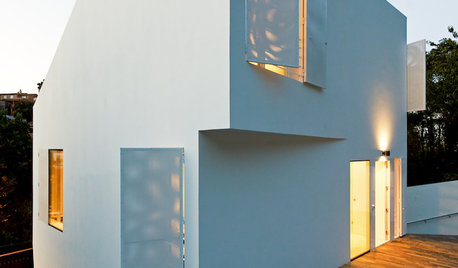
GREEN BUILDINGDesign Workshop: Shutters, All Grown Up
Shutters are back! They’re modern, functional and a sensible investment for a more comfortable, efficient home
Full Story

Buford_NE_GA_7A
seil zone 6b MI
Related Professionals
Ashland Landscape Architects & Landscape Designers · Wilmington Landscape Architects & Landscape Designers · Orangeburg Landscape Architects & Landscape Designers · Fort Dodge Landscape Architects & Landscape Designers · Lansing Landscape Architects & Landscape Designers · San Luis Obispo Landscape Architects & Landscape Designers · Colorado Springs Landscape Architects & Landscape Designers · Vancouver Landscape Architects & Landscape Designers · Annapolis Landscape Contractors · Williamsburg Landscape Contractors · Billings Landscape Contractors · Cumberland Home Builders · San Antonio Home Builders · Peoria Home Builders · Brooklyn Home BuildersBethC in 8a Forney, TXOriginal Author
AquaEyes 7a NJ
stillanntn6b