Software
Houzz Logo Print
steelskies

mulch around hostas. leaves, etc.

11 years ago

I have always read that you need to clean up the hostas after winter. I take that to mean get rid of the old dried foliage and and leaves, etc. around the plants. I have a lot of trees and there are many dead leaves covering some of the hostas. but I thought leaving leaves in the garden is a good mulch. So what should I do. I have hostas everywhere. thank you.

Comments (42)

  • 11 years ago

    It is no problem when they are dormant, but any mulch should be removed from around the pips and stems when there is growth.

  • 11 years ago

    I've got lots of tree debris around all my hostas too. I pick up the big stuff but leave most of it to compost, just moving it away from the stems, like Jon said above. I like to put down some compost over the area too covering the decaying leaves and let the worms do their thing. Once a few good rains have come, I eventually gather pine straw from the trees at the back of my property and use that to mulch all around the hostas. It neatens things up.


  • 11 years ago
    last modified: 11 years ago

    I always clean all hosta beds in fall. In spring again I rake all debris away from those planting areas. The reasons are, that spent hosta leaves could harbor viruses and you do not want to keep those around. Also any larger size debris will harbor slugs and their eggs. Slugs like to hide over day time under larger debris to eat hostas later. A thick layer of mulch is also a good cover for voles to run under to reach the hostas for their meal.

    2 years ago in fall I covered one large blue hosta with wood mulch. Before that it was perfectly happy with showing crown and even some roots over winter. Next spring that hosta had crown rot and finally died.

    I plan to dress up some of the beds with some shredded mulch to keep roots moist and cool, but not more, and away from the corms and leaves.

    I have 350 hostas, 60 conifers, plus others, house/driveway and some lawn on 0.45 acres.

  • 11 years ago

    I use leaves to cover mine to a depth of 1-3' in fall. When the danger of frost is over in late spring, I move the leaves and hide them within the bed - under shrubs, or other perennials, etc. The hostas do just fine for the late start and best of all, I do not get any cold-disfigured leaves. As the season progresses, the leaves disappear. I make sure at the beginning that the leaves do not touch the growing hosta to deter slugs.
    Cleanup is short and sweet. I do peek, and often, at emerging hosta.
    But all this is moot as the nights are still perilously cold and the snow has not yet melted from the shady places.


  • 11 years ago

    Haven't mulched over the years or cleaned up hosta beds, but it has to be something that is microclimate related.

    Won't work the same for everyone, as higher Spring temps with mulch can be bad for earlier bud growth. Watching front sunny Aphrodite bed with heavy dead last season hosta leaves and stems cover, now rotting away in warmer nights. Buds just starting to pop up.

  • 11 years ago

    I only take leaves off hostas if the wind has piled them so deep the hostas will be seriously delayed in emerging and will show up white when they do. I hate white pips even though they will eventually turn green.

    Sometimes I'll remove old hosta leaves if they are looking messy. Just reach down, grab some scapes and leaves and toss them in the yardwaste pile. But mostly I don't do anything in the fall and don't do anything in the spring.


  • 11 years ago

    HVX virus only survives in living tissue so winter mulch is not a problem and if the stems did have virus then the roots and crown will as well and there would be no hope for the plant. Leaving foliage to over winter and decompose can only help. When pips start to show I clean it up.

  • 11 years ago

    I don't do any cleanup to the beds in the fall. The seeds feed the birds and the leaves make great mulch for protecting the plants. I do a careful cleanup once the snow disappears...which it hasn't quite done yet in my yard...so that I can watch the pips and tiny seedlings sprout. If it wasn't for my seedling experiments/volunteers, and wanting to watch the pips, I wouldn't do the spring clean up.

  • 11 years ago

    I'm hoping I'll get to fertilize my hosta before the landscapers lay down mulch so I won't have to push it away from the plants.

  • 11 years ago

    to all: well I have terrible slug problem late in summer. I get the bug getta plus because I have slugs plus those rolly-polly gray bugs that also eat the leaves. But no matter how much I put on the stuff, by mid or end summer, some of the leaves have just about disappeared because of the slugs. In past, I have left most dried leaves on the hostas. I would like to let the dead leaves stay on the ground since I know they make a good mulch eventually, but doesn't that give me the most problem with slugs. Thank you to all who have replied.

  • 11 years ago

    Slugs will hide and multiply in the mulch. Drench the area regularly with a 10% ammonia solution and, if you do this whenever you see a slug, that will keep them under control. I would suggest composting the dead leaves and using that as mulch, not leaves themselves. Leaving the leaves around gives slugs a perfect hiding place. The roly poly grey bugs sound like 'Pill Bugs' that feast on decaying organic matter. I don't think they are any danger to the live tissue on your hosta, they are just creepy looking.

  • 11 years ago

    steelskies I agree with Jon that the leaves should be composted. There are two schools of thought on this issue. I do a thorough fall clean up of my hosta leaves as well as leaf debris because it is a potential breeding ground for pests and possible pathogens. Others would say that beneficial bugs could overwinter in it as well.

    I mulch with cedar that is the size of course ground coffee. It comes from an old sawmill and I have a minimal number of slugs that I control with beer (noted in another recent thread).

    If I did not have the cedar mulch I would probably use composted leaves. Free is (usually) good!

  • 11 years ago

    I'm doing something wrong. I did use the ammonia trick (75% water 25% ammonia) one summer and didn't have much luck. My hostas leaves were just as bitten up. I think I actually over used it and caused damage to my hostas. I thought I understood that you have to apply it directly on the slugs, and they feed all night, so that's not going to work. I tried the beer method a few years ago and just went through a lot of beer, and not a lot of slugs. Darnit!

    OK - bug getta plus (cuz it kills other critters besides slugs)? or Sluggo? Or both? Footnote: I have ducks and is either harmful to them; they pick at everything. This is the first year I've had ducks.

    Thanks to all who reply!!!

  • 11 years ago

    I know some climates have worse slug problems than others but there is perhaps an underlying reason that yours are so bad. Do you water in the evening and or water too often? Is your soil always wet?

    A 10% ammonia solution was suggested.

  • 11 years ago

    I have found the ammonia and water very effective. I add a drop of vegetable oil to the mix to make it stick to the leaves. I give the first spraying on the soil around the emerging hosta. I keep moving leaves away from the hosta as the plant expands so that the leaves never touch the plant. Then I wait for signs of slug damage. As soon as I see a hole, I begin to spray again. I spray the soil, the underside of the hosta and the leaves from the top. A pressurized sprayer makes this easy.

    I am also vigilant in spring when I remove the leaf cover from the plants for signs of marauding rabbits or deer. I live in a forest, so both predators are common. If there is damage, I substitute hot pepper tea for the water in the ammonia spray. That deters the critters until middle to late August and then, I have to watch for them again.

    Some of the side benefits of the heavy winter leaf mulch include the lack of weeds, and the increased tilth and fertility of the soil. It also helps me avoid watering. Most of my hosta beds have never met the hose.

    In spring, it takes much more time to place the hosta signs than it does to part the leaves, weed and spray,

    If a hosta is a slug magnet, I remove it from the gardens. There are too many good hostas out there to bother growing problems.

  • 11 years ago
    last modified: 11 years ago

    I understand that some people used as much as 25%, but 10% will kill them and, to me, 25% is strong. If you get it under the foliage and soak the area where they may be hiding it should kill the slugs in the area. Ammonia would just keep the ducks away from the area. .

    Bug Getta plus 'Contains Bitrex to deter ingestion by pets'....it must have some toxic ingredients. I wouldn't trust the deterrents especially since I'm sure they didn't test it on ducks.

    Sluggo, precautions say to wash off skin and 15 minute water rinse if it gets in eyes. Again: will ducks eat it, who knows. Will they get it in their eyes and have problems, maybe. If I had ducks I wouldn't use it either.

    I would look at physical barriers such as rough surfaces, beer traps and ammonia. None of which are likely to hurt ducks or any other pets or people or the environment.

    Jon

  • 11 years ago
    last modified: 11 years ago

    "Ammonia, or azane, is a compound of nitrogen and hydrogen with the formula NH3. It is a colourless gas with a characteristic pungent smell. Ammonia contributes significantly to the nutritional needs of terrestrial organisms by serving as a precursor to food and fertilizers."

    Here is part of an article by Bob Olsen of the American Hosta society. This was in the Hosta Journal a few years back.
    Larry Clemmons, an accomplished hosta grower from Dubuque, had an almost slug-free gorgeous garden last year while many of his friends from nearby towns were being overrun. Unlike the beer and lightweight chemicals they were using, Larry was spraying the hosta once a week or so with a dilute solution of plain old ammonia. The slugs hate the ammonia and the plants love the nitrogen. He uses a regular inexpensive tank and nozzle sprayer and went over and down into each plant-and he has a lot of them. He sprays the hostas with a dilute (4:1 or even weaker) solution of water and household ammonia in the evening once a week-more often in the spring or with a lot of rain. It would take him no more than two hours a week and there were almost no slug holes. The folks visiting from Iowa City which was being inundated by mollusks were astounded by his lush foliage just a few miles away and many have adopted his system. Don'

    I think that's the best advice you can get. Deadly to slugs and fertilizes at the same time for cheap money. The part that I omitted was making sure you flood down the stems into the crown where the little buggers hide.

    You will never get them all, but once a week is very doable. I also notice that the story specifies in the evening when they are coming out to feast. That might be important as well because spraying during the day when they aren't there, would not work well.

    Jon

  • 11 years ago

    I'm going to try the ammonia this year, it seems like the dream answer to the scurge of slugs. We have enormous ones here but I find the small grey ones do the most damage, they love our damp climate. Does this work for catterpillars also?

    Denis

  • 11 years ago

    I have used nothing but ammonia for the past two years and I have just about wiped them out. I go out when it rains with a stronger mix and spray them as they crawl up the house. You have to be persistent. I also spray my hostas and other plants, it will not hurt them.

  • 11 years ago

    I only have potted hosta but if I went to bed knowing there was a dead leaf hanging from a dormant hosta (or any plant for that matter) I would never be able to sleep. :)

  • 11 years ago

    Herb-Tarlick-jacket-man, I DO love your plant-brain! Lol

  • 11 years ago
    last modified: 11 years ago

    Denis, I think BT or Bacillus thuringiensis would be more effective for caterpillars. Dormant oil is supposed to work as well, but it is not an option for me as many of my trees are far too tall to effectively spray oil on. BT is a naturally occurring bacteria which in a more concentrated form will kill caterpillars. It spreads among the little buggers making it effective even if you don't make contact with all of them. It is effective shortly after they hatch ONLY. It is the only thing I know that is effective and I have tried a lot of things (not ammonia) including systemics (very expensive for the quantities I need and they didn't work well for me in this application) . BT is safe for people, pets and the environment.

  • 11 years ago

    I first heard about the ammonia solution from Hank, The Hostaman as recent as in 2011 only. He also dabbled in hybridizing and I learned a few things on my first visit. He said he treated his emerging pips to this ammonia drench for the first three weeks (which I've done since, each Spring) then he tapered off. I started, only last year, to also apply slug pellets in strategic areas to diminish the slug population as well, especially after a rainfall. I can delightfully report that my hostas were virtually "hole-less"!

    When I first joined this forum (June 2013) I saw so many beautiful pictures of perfect hostas. Almost every photo I posted had slug holes in them, some worse than others. I became determined to do more for my hostas (I was simply being lazy) as they deserved to be viewed in their best form, not their worst. Plants are like people...when they decide to go "public" they should look their best, lol. It is difficult to admire the attributes of a hosta when your attention is diverted by tatters and holes, isn't it?


  • 11 years ago

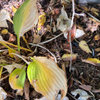
    trying to post picture. Here goes....


  • 11 years ago

    I guess I'm lucky, I don't see any slugs (I know they must be around) and little hole damage. If I were you Steel I would use a 15-20% solution every other day and every day it rains at dusk and bury beer traps where you think they may migrate at night. That is a lot of devastation and I can't believe there are ammonia resistant slugs anywhere. I don't see how you would lose and you can always try pellets or something else if it doesn't work.

    You would only be out a few bucks for ammonia, could use any left over to clean the windows if it doesn't work and would definitely fertilize them a little anyway. Let us know if it works.

  • 11 years ago

    thanks Jon 6a! My hostas look so nice in the beginning of the summer and by summers end, alot of them are just decimated. . I don't know why the ammonia solution didn't work. I did have a lot of chipmunks in the last few years. Do they chew on hosta leaves? But I know chipmunks didn't eat the leaves by making holes like this. I'm excited to try again this summer. Thanks to everyone who replied. It is greatly appreciated.

  • 11 years ago

    Steel skies, those look like slugs and snail bites too. I've even seen grasshoppers chewing on my hosta leaves in 2013, when they seemed to be quite plentiful in my backyard. Not that many around last year. Hope your efforts this year work out for you!

    By the way, thank goodness they don't eat the flowers too! The ones in your picture are gorgeous! If that is Stained Glass, they are fragrant.

  • 11 years ago

    Thats why JUNE is one of my favorite hostas. Gorgeous leaves plus the SLUGS don't eat the leaves. I keep buying more even though I dont have room for any more hostas. But I can't help myself!!!! Especially at the end of the year when they are $3 per plant.

  • 11 years ago

    I was just reading something that came in from a friend on facebook and said spreading wood ashes on hosta plant to get rid so snails and slugs.. Has anyone tried this? Sure would be be wonderful if this works. It said it is good for roses , beans,tomatoes, spinach,and peas. Also said it deter mice and get rid of ants .Wonder if it would work for voles too?

  • 11 years ago

    If you passed by a $3 hosta and didn't buy it...even if you have that particular one....we, your hosta family, would think you weren't well! Lol. Sweet deals and NOT to be passed up!

    I love my June so much that I sacrificed size for numbers last year. I actually had to separate a blue eye that was reverting to Halcyon from both my June's. I gave a tiny piece to a family member and made 4 of a relatively good size out of the rest. I have them growing in full sun and morning sun. You are quite right...slugs leave that hefty beauty alone, thank heavens!

    If I saw a $3 June, I'd buy them all, no lie!!! Can you imagine a border of June hostas? Conjures up heaven, doesn't it?

  • 11 years ago

    Here, grasshoppers usually chew from the edges. There's nothing you can reasonably do about grasshoppers as they here one day and gone the next. (Or, at least that's what I've been told.)

    We had a bad year for caterpillars a couple of years ago. Bt is not all that effective, as they are usually good sized before you know there are there. It also does not wash off all that well, especially on blues. They stay close to whatever plant they are currently eating, so I usually just go out at night and pick them off and squish them. With cut worms, they are usually just under the surface of the soil, very close to their damage. Just dig them up and squish them. Wear rubber gloves if you it bothers you.

    bk


  • 11 years ago

    I agree Jo, June for th is such a great plant and never ever slug magnets. Looks great for the whole season weather in sun or shade. $3 is too good to pass

  • 11 years ago
    last modified: 11 years ago

    yup, I had hosta in my holes last year too, at the end of the season …

    Particularly flavorful, apparently.


    dave

    ,

  • 11 years ago

    I agree with Ken, how big of a bed are we talking? My favorite thing to do is rake out my beds just after the snow leaves and before anything is emerging. This is tricky timing and doesn't work always. It allows me unobstructed view of all the emerging beauties. With over 300 feet of hosta runs that are 10-15 feet deep this got to be a chore! MY beds are all under a grove of 100+ year old burr oaks. I discovered a leaf blower works really slick, possibly better, if anything has begun emerging. Does this help/hinder slugs..I have to say I have one mulched bed and the slugs in it are no more or less than the ones I clean. Just after I rake I douse the beds with Get-A-Bug. From then on I have great fun going on slug hunts with my ammonia sprayer. I began this regime about five years ago and have never had the issue with slugs I did originally. It seems to keep them at bay. Do I have damage, of course. Gardening means finding a balance with nature!! The wetter the year, the more frogs/toads I seem to have. If the slugs increased last year, my croaking friends must have dealt with them!


  • 11 years ago

    I know something that absolutely works for the slugs ----- I go out in the middle of the night with my flashlight and salt shaker and hunt slugs. I KNOW that kills them. I haven't damaged my hostas because only a few grains of salt on the slugs does them in. Can you imagine what the neighbors think seeing me out there like that. I hope no one is watching.

  • 11 years ago

    $3 Junes! - its called Walmart They are very small plants but who cares.

  • 11 years ago

    Last year I bought 2 lbs of Diatomaceous Earth, as suggested last year on this forum. After the snow is gone, after I rake my hosta beds and there is no wind I will be out there wearing hat and breathing mask shaking a pepper shaker with Diatomaceous Earth in it over the hosta beds. Hope those slugs will roll on that and show slime trails. Now I have to find that pepper shaker, the larger the better, probably at Walmart.

  • 11 years ago

    I've seen pillbugs eat the hell out of my hosta petioles right above the crown. I didn't believe it until I saw them do it in my yard. They are evil.

  • 11 years ago

    I had a lot of those pillbugs, and I do think they were eating my hostas as well as the slugs. that's why I got the bug getta plus cuz it kills other things besides just the slugs. I had one plant so decimated that all the leaves were gone, and I never saw any slugs on it. Maybe my ducks will get some of those.


    On the DE, does it have to be put on every time after a rain? And how thick does it need to be around each plant. I bought a bag last year but never used it because I wasn't sure how to use it.

  • 11 years ago

    Steelskies, I've seen people scatter a ring around their hostas and I used to feel that that is inviting them over, lol. I've discovered them hiding under groundcover where it remains moist for awhile after a rainfall. I sprinkle it anywhere it is dark and moist, under pots and such as well.... and I too, now sprinkle some near some particularly thin-leaved hostas. I want them to come and dine...on the pellets, lol.

    These pellets expand from rain, then disintegrate. I remember reading instructions on a container to moisten just slightly before applying. I use mine sparingly and it lasts all season (relative to size of garden/number of plants). Last year I used about 1 1/2 containers and it really helped keep my hostas hole-free!

  • 11 years ago

    I will have to chime in and say that I, too, have witnessed the evil Pillbug in action. Really, really creeps me out to watch them swarm and eat the hosta, right at the crown. Ewwwwww.

    Does ammonia work on them, too?

Sponsored
Peabody Landscape Group
Average rating: 3.5 out of 5 stars8 Reviews
Franklin County's Reliable Landscape Design & Contracting