Software
Houzz Logo Print
secondspring

Tilling in partially composted, triple ground mulch

11 years ago

Hey all,

We moved our market garden onto a new 1.5 acre, leased plot last fall. We built raised beds, and have been incorporating 2" of leaf compost into them to break up the heavy clay that characterizes the soil profile on the site. We then add 1" of a vegetable-based compost and till it in shallowly (with a power harrow) before planting.

Our supplier of leaf compost has run out, and won't have any more for 6 weeks--right as we're trying to do a bunch of our spring planting. There's no other leaf compost available locally (and peat isn't available in bulk). So we're trying to find an affordable source of organic matter to break up.the clay in some of our beds until more leaf compost is available.

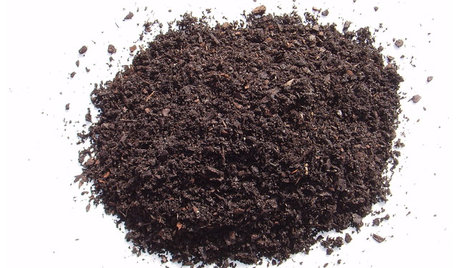
I found a mulch yard locally with triple ground mulch.Basically, they start with mixed brush, grind it, and bury it in a pile for 9 months to compost. They then pull the mostly composted material out (which has turned black at this point), grind it twice more, and pile it for sale.

The finished product isnt quite as broken down as the leaf.compost we've been using: there are still visible twigs and small bits of wood in it.

I'm aware of.the issues surrounding the use of partially decomposed matter as compost (e.g. robbing plants of.nitrogen, etc). Would anyone here be able to.take a look at a photo of.this stuff and tell me if they think it's safe to.use? We're in a tough spot.

Thanks.


Comments (11)

  • 11 years ago

    We are trying to build up our soil too as we just bought a 10 acre farm last year. We had 100 yards of leaves delivered in the fall, but that was not nearly enough. We plan to grow some ground cover this year as we now know it is going to be a process to get the soil more manageable.
    I would choose not to use it this year unless you could sift it first. You could pile it up and let it decompose for another year which will help you out in the future.


  • 11 years ago
    last modified: 11 years ago

    If you have time, you could plant some oats this spring and let them grow and work them back into the soil for a green manure. That is what I am doing this year for a patch that we are growing sweet potatoes in. The oats are just starting to come up.


  • 11 years ago

    Already doing that on plots that won't be planted for a few months. This is regarding beds that need planted next week. Anyone able to look at a photo and give me an answer from experience? Thanks.

  • 11 years ago

    where is the photo?

  • 11 years ago

    Post the photo. Would be interesting to see the picture and responses.

  • 11 years ago

    With clay, I think yes go ahead and use that stuff but add extra N which is will tie up while decomposing. Normally I am against tilling in anything not composted but I am generally thinking of sandy soil.

    Also get a soil test!

  • 11 years ago

    Even w/o seeing a picture the quantity of mulch that you consider incorporating per year is excessive. Research results from Maine suggest diminished harvest and fruit size with tomatoes when compost level exceeded equivalent of 50 cu.yd. per acre. That amount is far far less than a 2-3" surface amount.

  • 11 years ago

    You may be better off using it for what it is... mulch. don't incorporate it, use it as a top dress for weed control. I'm an arborist during the day and a Market gardener on the side, so I use a large amount of wood chip mulch in my garden as that is what I have available. I also have heavy clay soil. As a top dress, the high carbon content of wood chips breaks down beautifully over the season and by next year makes a better soil amendment than leaves do, imho. there is just more "bulk" to them and it makes a nice humus. I know there are reams of studies about C/N ratios, composting, etc., but my experience shows that as a top dress, wood mulch works great in clay soils. If it has been piled and allowed to heat first, more the better as its already a good way toward what you are after.

  • 11 years ago

    grow_life,

    How many inches of wood chips do you mulch with?
    Do you till it in at the end of the season?

    I've used wood chips in a backyard garden, but now am growing for a CSA.
    At a farm class they mentioned wood chips attracted some root eating bug so it would be better not to use it.

    What do you grow with the wood chip mulch? Do you just push the chips aside when transplanting?

    thanks for any response


  • 11 years ago

    Think of the mulch as if it were plastic, it retains moisture and keeps weeds down. I use chips for most larger crops: tomatoes, beans, peas, peppers, and the like. for large transplants I'll lay a bed about 3-4" deep along the row, scrape a 6" diam. hole at the planting site and dig the soil for the rootball. I leave the chips scraped away from the stems of the plants to make a well. for direct seed crops like beans I lay a bed maybe 2-3" deep and either plant into holes in the mulch or hoe a strip down the middle clear to soil and plant just barely into the soil, covering with a layer of chips.

    The method works well for me because there is very little tilling at the beginning of the season, when spring rains (we have had 3" this week) really wreck a tilling schedule. Less tilling makes for less weed seeds turned up, and those that are get smothered by the chips. As the season progresses, the chips do a tremendous job of holding in moisture to reduce irrigating. I find that with well ground chips, as fall comes around and even overwinter, they have broken down very well. There will allways be a few random larger wood pieces that didn't break down, which I will either rake into the path and rebury, or just till in. I largely do only fall tilling to incorporate soil amendments.

    My garden is on the small side, but I try to use larger scale production methods as they afford the best return on my time investment. I do all rows, raised slightly, irrigation hoses, and mulch rather than plastic. The mulch works great if its available.

    I have not noticed a problem with tying up soil nutrients, possibly because the chips are on the soil surface and not incorporated until they are much more decomposed. I haven't had my plants tested, but i figure if they are green, vigorous and productive, they are doing what I hired them to do.

  • 11 years ago

    Thanks for the response, just got a chance to read it, been too busy in the fields.
    Our CSA farm has had internal discussions about no-till for awhile now, probably will try a few wood chip rows this season. Transplanting has been a big concern, we transplant about 1,000 plants per week.


Sponsored