

It looks like black mold
11 years ago

Featured Answer
Sort by:Oldest
Comments (9)
 PRO11 years ago
 11 years agolast modified: 11 years ago
Related Professionals
Dallas Landscape Architects & Landscape Designers · Tallahassee Landscape Contractors · Tampa Landscape Contractors · Roanoke Landscape Contractors · Newburyport Landscape Contractors · Brainerd Landscape Contractors · Wilmington Architects & Building Designers · Winston-Salem Architects & Building Designers · Danbury Architects & Building Designers · New Haven Architects & Building Designers · Webster Architects & Building Designers · Muskegon Architects & Building Designers · Green Bay Architects & Building Designers · Edmonton Architects & Building Designers · Victoria Architects & Building Designers- 11 years ago
- 11 years ago
 11 years agolast modified: 11 years agostu span SF bay area 9b thanked tapla (mid-Michigan, USDA z5b-6a)
- PRO11 years agolast modified: 11 years agostu span SF bay area 9b thanked the_first_kms2

Related Stories
REMODELING GUIDESHow to Size Interior Trim for a Finished Look
There's an art to striking an appealing balance of sizes for baseboards, crown moldings and other millwork. An architect shares his secrets
Full Story
REMODELING GUIDESDecorated Ceilings Are Looking Up
Whether with a simple coat of paint or intricate molding, ceilings are getting some long-deserved attention in interior designs
Full Story
REMODELING GUIDESCrown Molding: Is It Right for Your Home?
See how to find the right trim for the height of your ceilings and style of your room
Full Story
DINING ROOMSWays with Moulding in the Dining Room
The Design Detail Adds Drama to These Dining Areas
Full Story
DISASTER PREP & RECOVERYHow to Combat Mold in a Flooded House
Before you rebuild or restore your water-damaged home, take these steps to keep mold at bay
Full Story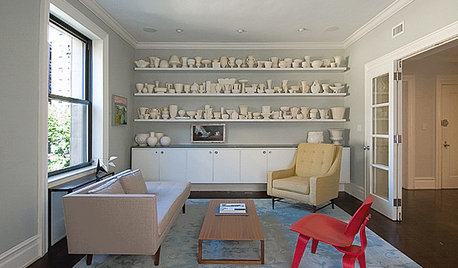

REMODELING GUIDESFrame Your Views With Great Moldings and Casings
How to Work With Trim to Give Your Space Depth and Interest
Full Story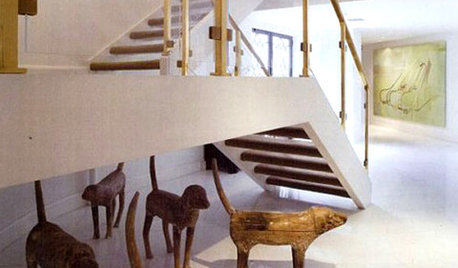
ARTExpert Talk: Sculpture Helps Rooms Break the Mold
Pro designers explain how sculpture can bring interiors to a higher level of design
Full Story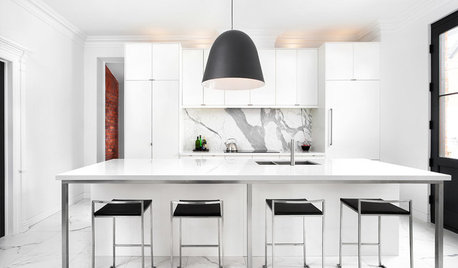
KITCHEN DESIGNKitchen Confidential: Go Bold on a Budget
Discover 5 ways this black and white beauty broke the mold but not the bank
Full Story
FURNITUREObjects of Desire: Recliners That Don’t Look Like Recliners
Forget bulky, hulky eyesores. These 7 smart and svelte chairs — some without levers — have mastered the art of disguise
Full Story
More Discussions
Kimo